
Youngest CS2 Rosters in Tier-1: 2025’s Youth Revolution
MOUZ: The Talent Factory
No surprise here—MOUZ has built its reputation around nurturing raw talent, and 2025 is no exception. With an average roster age around 20, they’ve got players who grew up on FACEIT hubs and cracked open their first CS cases during the Glove Case era.
Standouts:
-
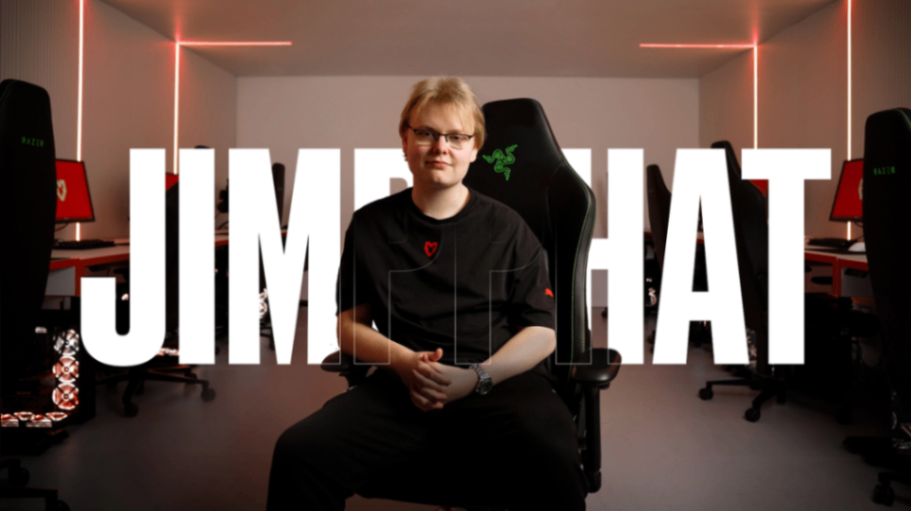
Jimpphat (18): Already posting LAN ratings above 1.10.
-
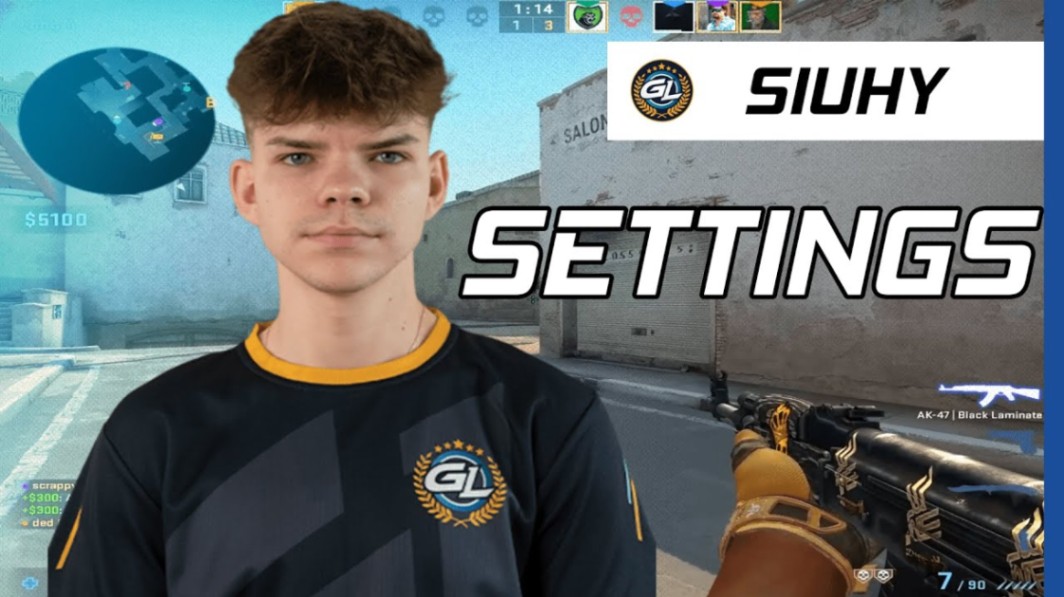
siuhy (22): One of the youngest IGLs at Tier-1, tactically sharp beyond his years.
MOUZ’s system gives young players structure without stifling their aggression. They’re fast, efficient, and increasingly dangerous against legacy teams.
Pro tip: Watch how MOUZ leverages momentum rounds—young teams often thrive when confidence snowballs.
Eternal Fire: Chaos and Potential
Eternal Fire has gone bold, mixing veteran anchor XANTARES with explosive young Turkish talent. This season, their youngest player made headlines by dropping a 1.17 HLTV rating at IEM Katowice—at just 17.
Their style? Controlled chaos. They hit sites hard, rotate fast, and aren’t afraid of brawls. It’s high-risk, high-reward, but with the right balance, they’ve become a scary matchup.
Roster age average: ~20.2
Apeks: Built Different
Apeks pulled off a low-key rebuild, and suddenly they’re fielding one of the youngest rosters in international play. Unlike other teams, they scouted high-IQ players from overlooked regions and gave them room to grow.
They’ve been quietly climbing—strong showings at ESL Challenger events and group-stage upsets at bigger tournaments. This isn’t just a youth experiment—it’s a long-term plan.
Key traits: Discipline, flexibility, and insane composure in clutches.
Falcons: Youth Meets Infrastructure
Falcons are a different beast. Backed by serious funding, they’ve built an org with top-tier support staff, analytics, and facilities—and now they’re investing in younger talent.
Unlike other orgs, Falcons aren’t rushing rookies into the spotlight. Instead, they’re gradually integrating them into a high-performance environment designed to win.
Their approach combines the firepower of youth with the brainpower of elite coaching. Expect results mid-to-late 2025.
NAVI & Vitality: Strategic Renewal
These giants aren’t known for big risks—but even they’re leaning younger. NAVI, post-s1mple era, is crafting a new identity around faster aimers with sharp comms.
Vitality? They’ve retained core experience but brought in youthful riflers to boost their CT side aggression.
Examples:
-
NAVI’s recent pick from the NAVI Junior pipeline shows promise.
-
Vitality’s young rifler posted the highest entry success % in a recent BLAST series.
Their blend of experience and youthful explosiveness is keeping them relevant in an evolving Tier-1 field.
Why Younger Rosters Thrive in CS2
CS2’s new mechanics emphasize first-shot accuracy, cleaner movement, and faster engagements. That naturally favors younger players:
-
Reaction time peaks in late teens/early 20s
-
Adaptability comes easier to players with fewer ingrained habits
-
Stamina & grind: Young players often handle long matchdays and practice schedules better
Add to that: the rise of support staff—analysts, sports psychologists, dedicated IGL coaching—makes it easier than ever for younger talent to transition into Tier-1 pressure.
Pro tip: Don’t judge youth by fragging alone. Watch utility usage and trading setups—teams like Apeks and MOUZ show that young players can also play smart.
Key Takeaways
-
MOUZ and Eternal Fire lead the charge with the youngest rosters in Tier-1 CS2.
-
Younger players excel in CS2’s fast-paced, peeker-friendly meta.
-
Elite support systems make it easier to develop raw talent into stars.
-
NAVI and Vitality are future-proofing by blending youth with structure.
-
Youth no longer means “inexperienced”—it means fearless and skilled.
-
Expect more orgs to follow this trend into 2026 and beyond.
FAQ
Who has the youngest roster in Tier-1 CS2 in 2025?
MOUZ currently fields one of the youngest lineups, with an average age just over 20. Eternal Fire and Apeks are close behind.
Why are younger players doing better in CS2?
The CS2 engine rewards quick reactions and aim, favoring younger reflexes and playstyles.
Are veterans still relevant in 2025 CS2?
Yes—but they’re now paired with youth. Teams mix experience with firepower to stay competitive.
Is investing in young players risky for Tier-1 orgs?
Less so than before. Better coaching and data analytics reduce the risk and help fast-track development.
Which young player had the best breakout in 2025?
Jimpphat (MOUZ) and Eternal Fire’s youngest rifler have both posted standout LAN performances this year.
Will this youth trend continue in 2026?
Highly likely. As more teams see success with young rosters, the shift will accelerate.
Author & Update
Written by a former CS:GO coach and esports analyst.
Updated: December 2025
Note: Prices and liquidity change—check current offers at time of reading.