
Keydrop Case Probabilities: Hidden Risks Every CS2 Player Should Know
Case-opening platforms use randomized reward systems that assign every item a probability of appearing. Premium skins, knives, and gloves naturally have much lower chances than common skins.
Although different cases contain different item pools, the same general principles apply:
Common items appear most frequently.
Premium skins are significantly rarer.
Knives and gloves represent the rarest rewards.
Every opening is statistically independent.
That last point is especially important.
Opening twenty disappointing cases does not increase your chances of getting a knife on the twenty-first attempt. Likewise, opening an expensive skin does not reduce your odds afterward.
Many players incorrectly assume the system has a "memory." Random number generation does not work that way.
Pro Tip: Never assume you're "due" for a big drop after a losing streak. This belief is known as the gambler's fallacy.
How Case Odds Actually Work
Random case openings rely on probability rather than patterns.
Imagine flipping a coin.
Landing heads ten times in a row doesn't make tails more likely on the next flip. CS2 case openings follow the same statistical principle.
Instead of focusing on individual openings, experienced traders look at three important factors:
| Factor | Why It Matters |
|---|---|
| Probability | Determines how often items appear over many openings |
| Variance | Explains why short sessions often differ from averages |
| Expected Value (EV) | Estimates long-term average return rather than guaranteed profit |
Expected Value is often misunderstood.
EV does not mean you'll receive that amount from one opening—or even one hundred openings.
Instead, it represents the average mathematical outcome over an extremely large sample.
This distinction explains why two players opening the same case can experience dramatically different results.
Hidden Risks Behind Keydrop Case Probabilities
Variance Is Bigger Than Most Players Expect
Variance is the largest hidden factor in every case-opening session.
One player may pull a premium knife within five cases.
Another may open hundreds of cases without seeing a similarly valuable reward.
Both outcomes can exist within perfectly fair probability.
This is why short-term results rarely reflect the mathematical average.
Market Prices Constantly Change
Winning a desirable skin is only part of the equation.
Its value depends on the current CS2 marketplace.
Several factors influence liquidity:
Tournament sticker demand
Major capsule releases
New Operation updates
Weapon balance patches
Community trends
For example, skins like AK-47 | Redline, AWP | Asiimov, or USP-S | Printstream may experience noticeable market movement during different periods of the competitive season.
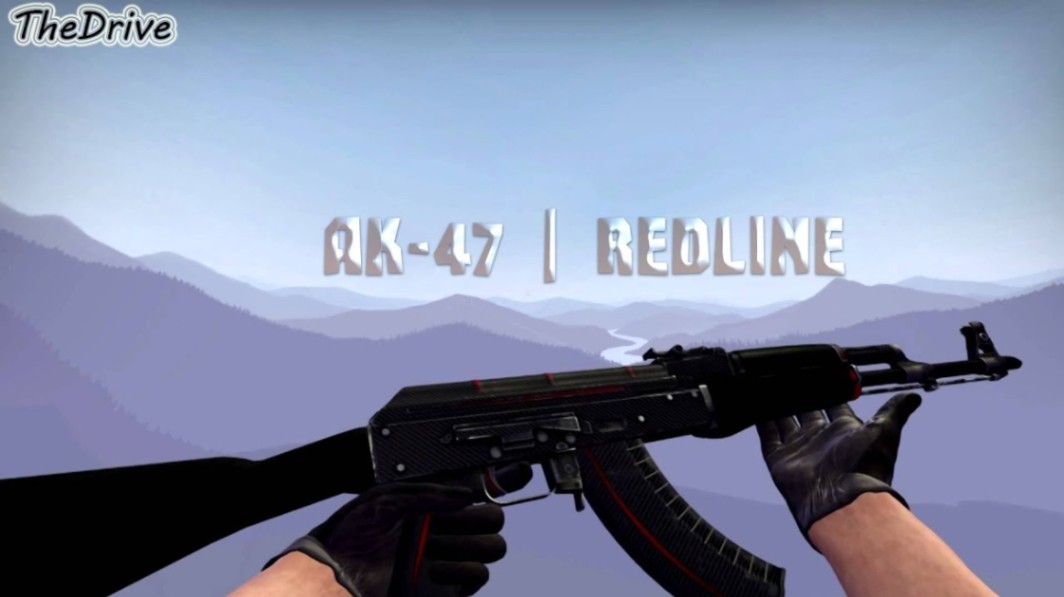
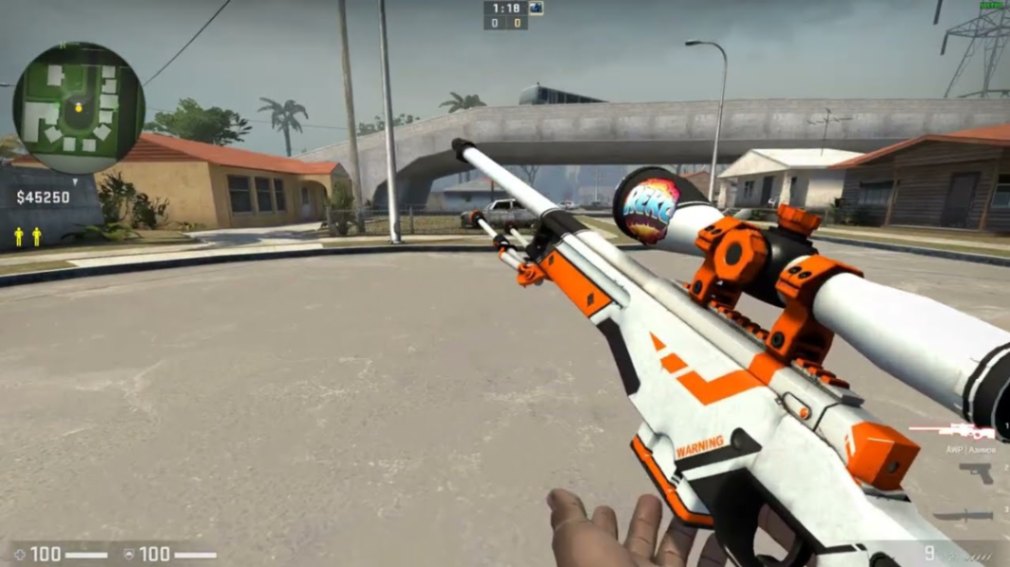
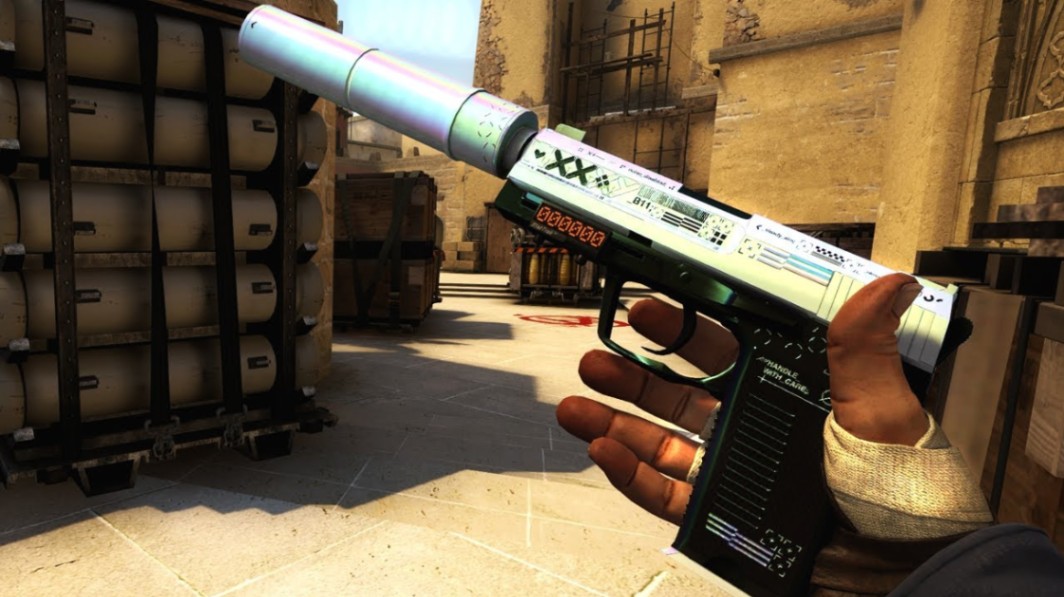
Winning a skin today doesn't guarantee it will retain the same value next month.
Note: Prices and liquidity change—check current offers at time of reading.
Emotional Decision-Making
One of the most overlooked risks isn't mathematical—it's psychological.
Players often:
chase previous losses;
increase opening budgets after near misses;
continue opening because "the next one feels lucky."
These reactions have nothing to do with probability.
They simply increase spending while leaving the odds unchanged.
High-Tier Cases Usually Mean Higher Volatility
Premium cases often advertise exclusive knives or expensive finishes.
Examples include skins featuring:
Karambit | Doppler
Butterfly Knife | Fade
Sport Gloves
Driver Gloves
While these rewards attract attention, they're balanced by a large number of lower-value outcomes.
Higher potential usually comes with higher variance—not guaranteed profit.
Expected Value vs Real Results
Expected Value (EV) is useful for comparing cases, but it shouldn't be treated as a prediction.
Think of EV as a long-term statistical benchmark.
A player opening:
5 cases
20 cases
even 100 cases
may experience results significantly above or below the theoretical average.
Professional traders understand this.
Instead of expecting consistent profit from openings, they focus on:
entertainment value;
limited budgets;
occasional high-value opportunities;
disciplined spending.
Comparing Keydrop to Other CS2 Case Platforms
Although every platform has its own interface and promotions, the same statistical principles apply.
| Feature | Keydrop | Typical CS2 Platforms |
|---|---|---|
| Randomized openings | Yes | Yes |
| Visible item pools | Usually available | Usually available |
| Promotional events | Available | Available |
| Premium cases | Yes | Yes |
| Random outcomes | Always | Always |
No platform can eliminate randomness.
Promotional events may temporarily change available rewards or mechanics, but they do not remove statistical variance.
How to Reduce Your Risk
If your goal is smarter case openings rather than pure excitement, several habits help.
Set a Fixed Budget
Decide how much you're comfortable spending before opening any cases.
Once the budget is gone, stop.
Understand What You're Buying
You're purchasing entertainment with the possibility of receiving valuable digital items.
You're not making a guaranteed investment.
Don't Chase Losses
Losing sessions happen naturally.
Opening additional cases rarely changes the mathematical outcome.
Follow Market Trends
If you receive a popular skin like M4A1-S | Printstream, AK-47 | Neon Rider, or Desert Eagle | Printstream, checking current market demand before selling can be worthwhile.
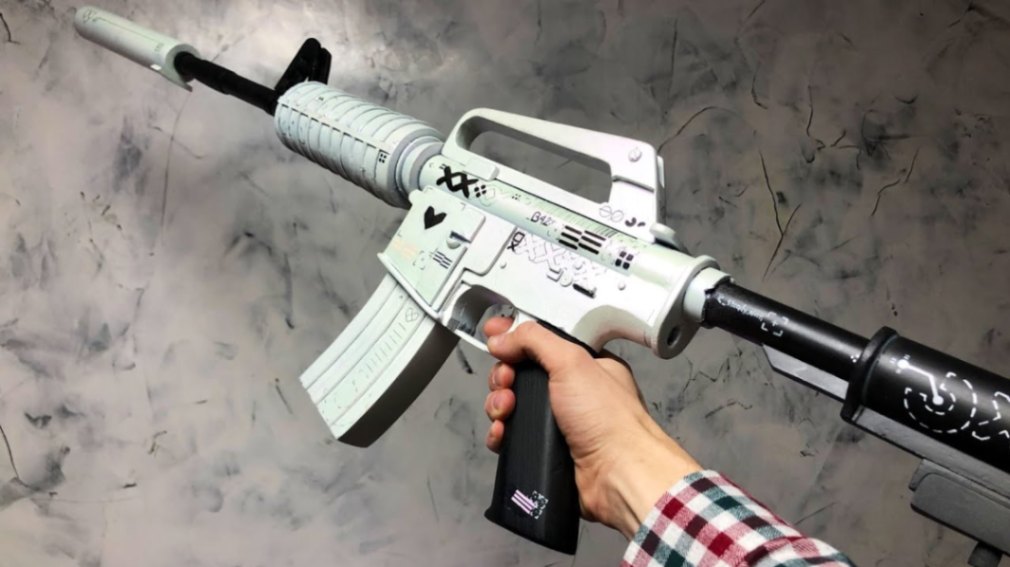
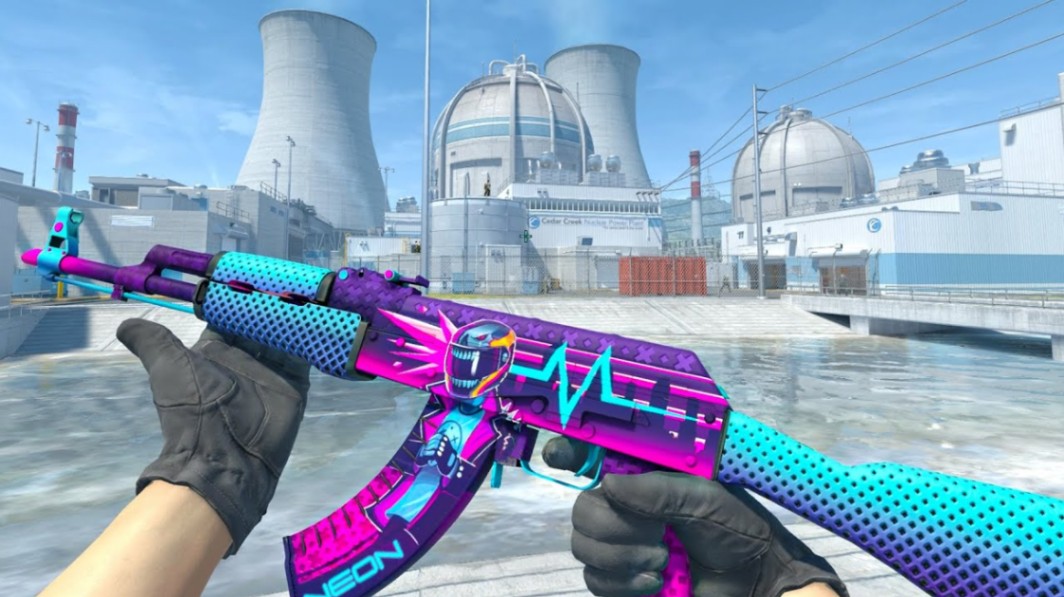
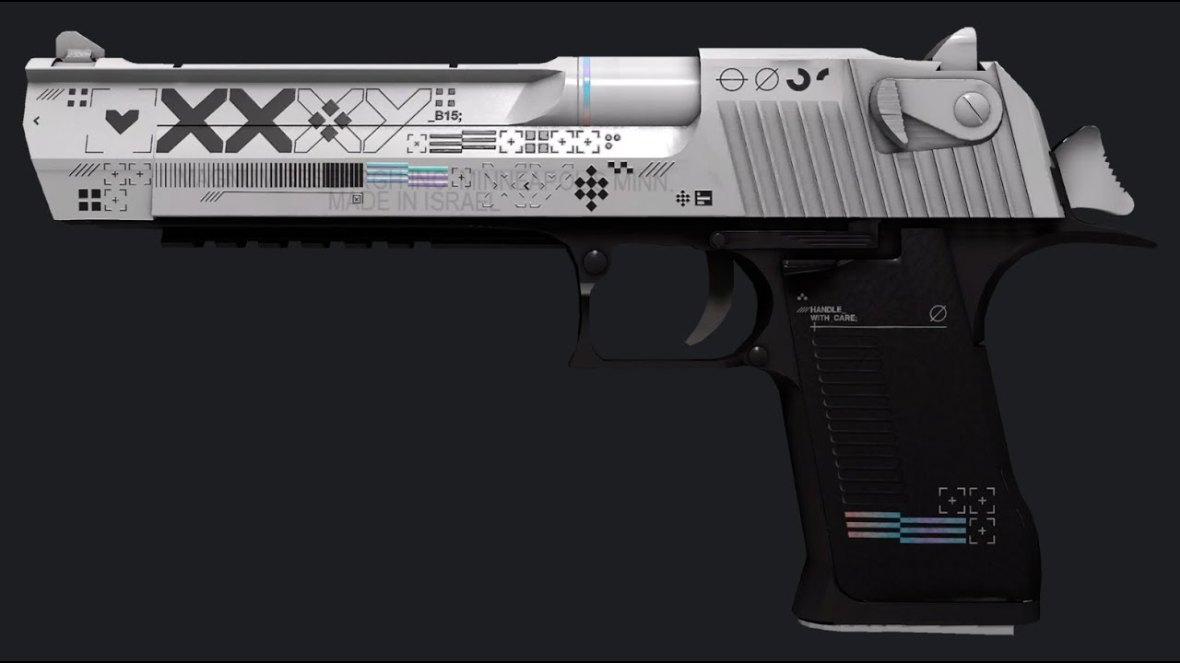
Market timing often matters more than luck.
Pro Tip: Treat valuable drops as opportunities to make informed trading decisions rather than reasons to continue opening more cases.
Common Mistakes Players Make
Many experienced players still fall into predictable traps.
The most common include:
| Mistake | Better Approach |
|---|---|
| Believing in hot or cold streaks | Treat every opening independently |
| Chasing previous losses | Stick to your budget |
| Ignoring market liquidity | Check current demand before selling |
| Confusing EV with guaranteed profit | Remember EV is a long-term average |
| Opening emotionally | Make decisions before the session starts |
Avoiding these mistakes often has a greater impact than choosing a different case.
Key Takeaways
Keydrop case probabilities represent random outcomes rather than guaranteed rewards.
Every case opening is statistically independent.
Expected Value reflects long-term averages—not individual sessions.
Variance explains why two players can experience completely different results.
Emotional spending is a larger risk than most probability models.
Responsible budgeting is the most effective way to control losses.
FAQ
Are Keydrop case probabilities fixed?
Each case has its own item pool and probability distribution. Individual openings remain random and independent.
Can a losing streak increase my chances of getting a knife?
No. Previous openings have no influence on future outcomes.
Is Expected Value the same as guaranteed profit?
No. Expected Value is a mathematical average calculated over a very large number of openings.
Are expensive cases more profitable?
Not necessarily. Premium cases generally offer higher-value rewards but also involve greater variance and risk.
Should I open cases during promotional events?
Promotions may offer additional rewards or different mechanics, but players should always review the event details carefully and avoid assuming that promotions guarantee profitability.
Is opening CS2 cases a reliable investment?
No. Case opening should primarily be viewed as entertainment. Anyone seeking consistent returns should understand market liquidity, price fluctuations, and the risks involved before spending.
Author & Update
Written by the CS2News Editorial Team — Counter-Strike analysts covering CS2 skins, trading, esports, and marketplace mechanics with a focus on data-driven, practical advice. Updated: July 2026