
How to Read Steam Market Graphs Like a Pro CS2 Trader Today
Why Steam Market Graphs Matter
Steam Market graphs provide a visual record of how a skin, sticker, or case has performed over time.
Instead of guessing whether an item is overpriced or undervalued, you can use historical data to evaluate:
Price direction
Trading activity
Market sentiment
Reaction to CS2 updates
Long-term demand
For investors and traders, graphs often reveal opportunities that are invisible when looking only at the current listing price.
Note: Prices and liquidity change—check current offers at time of reading.
Understanding Steam Market Graph Basics
Price History
The line chart represents the average selling price over a selected period.
Generally, you will encounter three scenarios:
| Trend | What It Suggests |
|---|---|
| Rising | Increasing demand or reduced supply |
| Falling | Weak demand or excess supply |
| Sideways | Market balance and price stability |
A single day rarely tells the full story. Focus on broader movements across weeks or months whenever possible.
Trading Volume
Volume represents how many units were sold during a specific period.
Volume often confirms whether a price move is meaningful.
| Volume Behavior | Interpretation |
|---|---|
| Rising price + rising volume | Strong buyer interest |
| Rising price + low volume | Potentially weak move |
| Falling price + high volume | Strong selling pressure |
| Stable price + low volume | Limited market activity |
Many new traders overlook volume, but it is often the most important signal on the graph.
How to Read Steam Market Graphs Step by Step
Identify the Trend
Start by zooming out.
A graph that appears volatile over seven days may show a clear upward trend over six months.
Ask yourself:
Is the item generally moving up or down?
Has the trend changed recently?
Is the current price near a historical high or low?
Long-term direction usually matters more than short-term fluctuations.
Analyze Volume Changes
Next, compare volume against price movement.
For example, if a case rises sharply while volume also increases, it often indicates genuine market interest rather than a temporary spike.
If volume remains weak during a rally, traders should remain cautious.
Look for Market Triggers
CS2 markets do not move in isolation.
Major influences include:
Operation releases
Case removals
Tournament events
Sticker capsule launches
Gameplay updates
Community hype
A sudden graph movement usually has a reason behind it.
Pro Tip: Before buying after a large spike, identify the event that caused it. Sustainable demand behaves differently from temporary hype.
Common Steam Market Graph Patterns
Spike and Correction
This pattern appears when an item experiences a sudden surge followed by a pullback.
It commonly occurs after:
Major tournament performances
Influencer exposure
Unexpected CS2 announcements
Many traders buy during the spike and then panic-sell during the correction.
Experienced traders often wait for stabilization before entering.
Gradual Growth
One of the healthiest patterns in the market.
Characteristics include:
Consistent higher highs
Steady volume
Limited volatility
Items with strong collector demand often display this behavior.
Examples include certain finishes from legacy collections and desirable sticker combinations.
Sideways Consolidation
A consolidation occurs when price moves within a narrow range.
While this may seem boring, consolidations often precede larger market moves.
Traders watch for:
Increasing volume
Breakouts above resistance
New market catalysts
Warning Signs Every Trader Should Know
Not every graph signals opportunity.
Watch for these red flags:
Sharp Decline With Heavy Volume
This often indicates aggressive selling pressure.
Possible causes include:
Increased supply
Negative market sentiment
Fading hype
Extremely Low Liquidity
Some items maintain stable prices simply because very few people trade them.
Low volume can make entering and exiting positions difficult.
Repeated Pump-and-Dump Behavior
If a graph repeatedly spikes and crashes without a clear reason, speculative trading may be driving the market.
These markets can be profitable but carry significantly higher risk.
Note: Rare patterns, stickers, and crafts may command premiums that standard Steam Market graphs cannot fully reflect.
Real CS2 Examples
AK-47 | Redline

The AK-47 Redline has historically remained popular due to its clean design and compatibility with sticker crafts.
When studying its graph, traders often focus on long-term stability rather than short-term speculation.
AWP | Dragon Lore
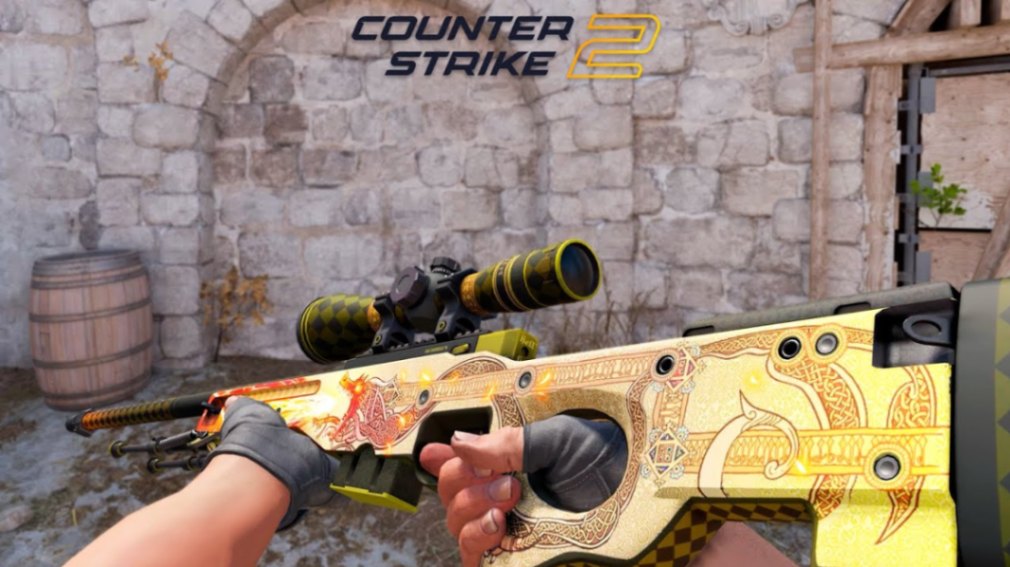
The Dragon Lore demonstrates how rarity and collector demand can influence long-term market behavior.
Short-term fluctuations occur, but major trends are usually driven by scarcity.
Operation Cases
Operation cases frequently display strong graph reactions when supply changes.
Many traders monitor volume increases as closely as price increases when evaluating these items.
Doppler Knives
Doppler finishes can experience varying demand depending on phase popularity.
Graphs reveal overall market direction, but traders should also consider phase-specific demand when making decisions.
Key Takeaways
Learning how to read Steam Market graphs starts with understanding price and volume together.
Long-term trends are generally more reliable than short-term movements.
Rising prices supported by strong volume often signal healthier demand.
Market events frequently explain sudden graph changes.
Avoid making decisions based solely on temporary spikes or panic selling.
Always consider liquidity before investing in niche items.
FAQ
How accurate are Steam Market graphs?
Steam Market graphs accurately display historical Steam transactions. However, they cannot predict future prices and should be combined with market research.
What is the most important part of a Steam Market graph?
Volume is often the most overlooked but valuable metric. Price changes supported by strong volume tend to be more reliable.
Can Steam Market graphs predict skin prices?
No graph can guarantee future movement. Graphs help identify trends and market behavior, but external events can quickly change demand.
Should I buy after a large price spike?
Usually, it is safer to understand what caused the spike and wait for stabilization before making a decision.
Why do some expensive skins have low volume?
Rare collector items often change hands infrequently. Low volume does not always mean weak demand, especially for high-tier skins.
How often should traders check Steam Market graphs?
Active traders may review graphs daily, while long-term investors typically focus on weekly and monthly trends.
Author & Update
Written by a CS2 skin market analyst with years of experience tracking Steam Market trends, item rarity, collector demand, and trading behavior. Updated: June 2026.