
Hellcase Fairness Checker: Read Every Hash the Right Way
The Hellcase Fairness Checker is a verification system built around the concept of provably fair gaming. Instead of asking users to simply trust the platform, it provides enough cryptographic information for every roll to be independently verified.
Every opening depends on three important values:
Server Seed
Client Seed
Nonce
These values work together to generate the final outcome before revealing the item you receive.
The key point is that the server seed is committed through its hash before the opening occurs. Once revealed later, anyone can verify that it matches the original commitment.
This process prevents a platform from secretly changing results after your roll has already happened.
How Provably Fair Case Opening Works
Server Seed
The server seed is generated by the platform before your opening.
Initially, you only see its hashed version, not the actual seed. This protects the randomness while preventing later modifications.
Once the seed is revealed, you can verify that its hash exactly matches the original one.
If both hashes match, the original server seed remained unchanged throughout the process.
Client Seed
The client seed introduces an additional layer of randomness.
Depending on the platform, it may be automatically generated or customizable by the player.
Changing the client seed changes future results because it becomes part of the cryptographic calculation.
Nonce
The nonce is often the most misunderstood part of verification.
Think of it as a counter.
Every new opening increases the nonce by one.
Example:
| Opening | Nonce |
|---|---|
| First case | 1 |
| Second case | 2 |
| Third case | 3 |
| Fourth case | 4 |
Using the wrong nonce almost always produces a completely different result, even if every other value is correct.
How to Verify a Hash Step by Step
Step 1 — Open Your Roll History
Navigate to your account history and select the case opening you want to verify.
High-value pulls are usually the first ones players choose to check, especially rare knives or gloves.
Step 2 — Find the Required Values
Collect all available verification data:
Server Seed
Server Seed Hash
Client Seed
Nonce
Missing even one value makes independent verification impossible.
Step 3 — Enter the Information
Open the Fairness Checker and enter every value exactly as provided.
Even one incorrect character changes the output completely.
Double-check:
Uppercase vs lowercase
Extra spaces
Missing digits
Step 4 — Compare the Generated Result
The checker performs the same cryptographic calculation.
If everything matches, the generated outcome should be identical to the original roll.
This confirms that the opening was reproduced correctly using the same data.
Pro tip: Copy and paste seeds directly instead of typing them manually. A single misplaced character will invalidate the verification.
Understanding Hash Results
One common misconception is that reading the hash allows you to predict future openings.
It does not.
Hashes are designed specifically to prevent prediction.
You can verify previous results after the required information becomes available, but you cannot reverse a hash to discover future outcomes.
That distinction is what makes provably fair systems useful.
Practical CS2 Examples
Imagine opening an Operation Broken Fang Case and receiving an M4A1-S | Printstream.

After revealing the server seed, you can recreate that exact opening through the Fairness Checker.
The same applies to rare drops like:
★ Karambit | Doppler
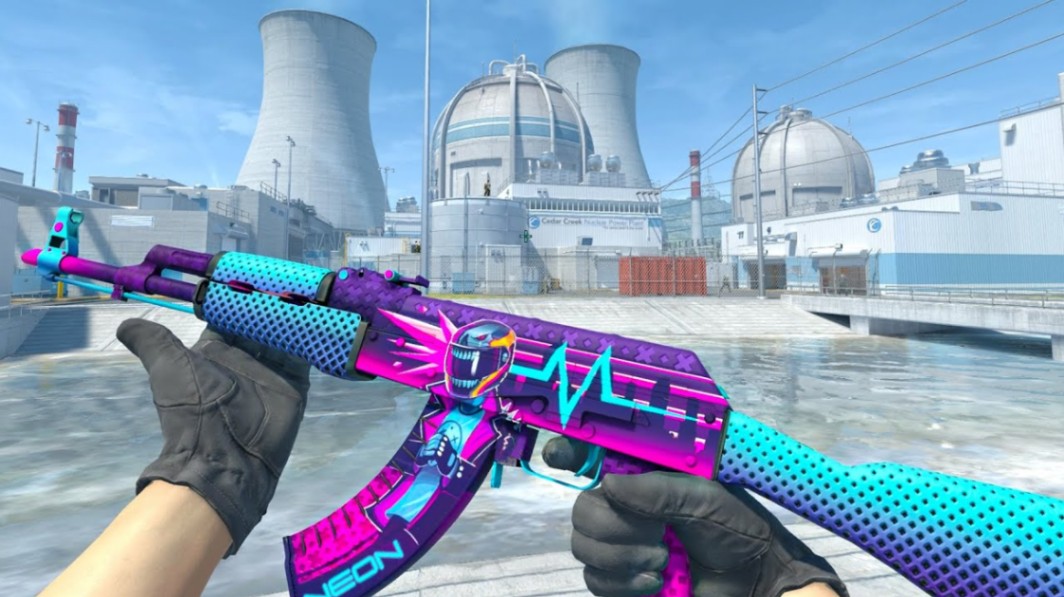
AK-47 | Neon Rider
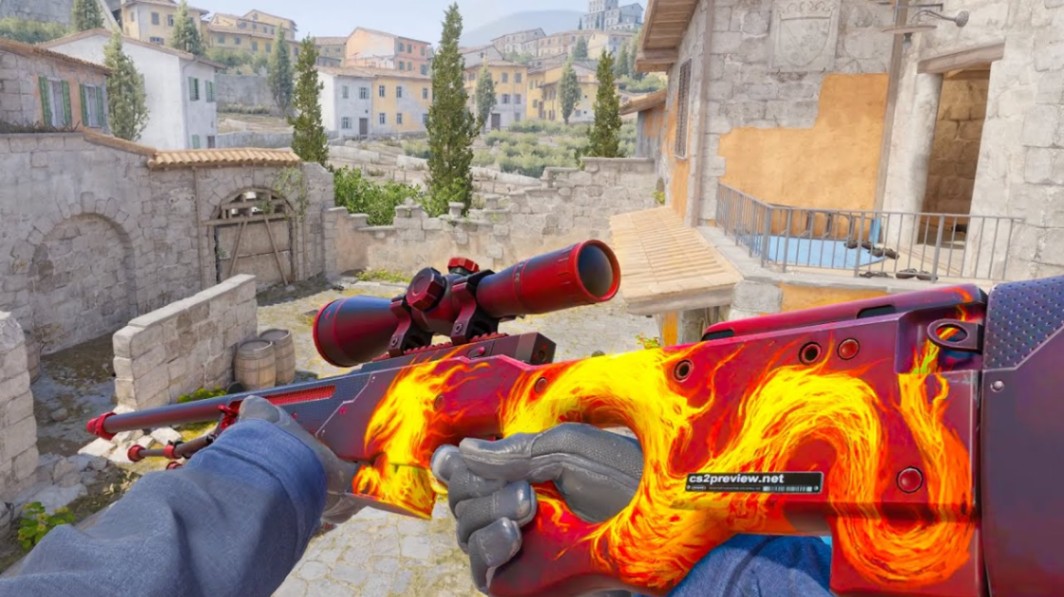
AWP | Wildfire
USP-S | Kill Confirmed
Verification simply confirms that the random generation process produced the displayed result.
It does not increase your chances of receiving rare skins during future openings.
Common Verification Mistakes
Many failed verifications come from small user errors rather than problems with the system.
Using the Wrong Nonce
The nonce must correspond to the exact opening being checked.
One increment off produces an entirely different result.
Mixing Different Sessions
Server seeds usually change after rotation.
Combining a client seed from one session with a server seed from another guarantees a mismatch.
Editing the Client Seed Midway
If you manually change your client seed, future openings belong to a different verification chain.
Always verify using the seed active during the opening.
Assuming Hashes Reveal Future Results
A hash is a one-way cryptographic function.
It proves integrity but cannot be reversed into upcoming drops.
Hellcase Fairness Checker vs Other Verification Systems
| Feature | Hellcase Fairness Checker | Typical Provably Fair Systems |
|---|---|---|
| Server seed verification | Yes | Usually |
| Client seed support | Yes | Usually |
| Nonce tracking | Yes | Usually |
| Independent verification | Yes | Varies |
| Post-roll verification | Yes | Common |
Different platforms implement provably fair mechanics differently, but the underlying cryptographic principles are generally similar.
The interface and verification workflow may vary between services.
Note: Provably fair verification confirms that the random generation process was reproduced correctly. It does not guarantee favorable outcomes or influence future case openings.
Why Hash Verification Matters
For casual players, verification provides peace of mind.
For experienced traders, it offers transparency during large opening sessions.
Instead of relying purely on trust, players can independently confirm that every roll matches the published cryptographic data.
This transparency has become one of the most important features of modern CS2 case-opening platforms.
Remember that verification is about fairness, not improving luck.
Key Takeaways
The Hellcase Fairness Checker allows independent verification of completed case openings.
Server seed, client seed, and nonce all work together to generate each result.
The nonce must match the exact opening being verified.
Hashes cannot predict future drops or reveal upcoming skins.
Verification confirms integrity of previous openings, not future probabilities.
Prices and liquidity change—check current offers at time of reading.
FAQ
What is the Hellcase Fairness Checker?
It is a verification tool that allows players to reproduce completed case openings using cryptographic values such as the server seed, client seed, and nonce.
Can I predict my next case opening with the hash?
No. Cryptographic hashes are one-way functions and cannot be reversed to reveal future outcomes.
Why does my verification not match?
The most common reasons are using the wrong nonce, copying an incorrect seed, or mixing information from different sessions.
Should I change my client seed regularly?
Some players prefer changing it periodically for personal preference, but doing so does not improve your odds or influence future results.
Does verifying a roll affect drop chances?
No. Verification is performed after the opening and has no impact on future probabilities or item distribution.
Is the Hellcase Fairness Checker useful for beginners?
Yes. Even without deep technical knowledge, learning how server seeds, client seeds, and nonces interact helps you understand how provably fair verification works.
Author & Update
Written by the CS2News editorial team, specializing in Counter-Strike skins, trading mechanics, and provably fair systems.
Updated: July 2026