
CS2 Sticker Investing: Hidden Gems and Smart Picks for 2026
CS2 sticker investing can be one of the most interesting corners of the Counter-Strike economy. Stickers combine esports history, crafting demand, collecting, and limited supply in a market where seemingly similar items can behave very differently.
The trick is not finding the cheapest sticker. It is finding an item players still want to own or apply after its original source becomes harder to obtain.
Why CS2 Sticker Investing Is Different
A weapon finish has its own identity. A sticker has two lives.
It can remain unapplied as a collectible, or it can be consumed in a craft by applying it to a weapon. That second use matters because desirable stickers can gradually leave the tradable supply.
The market is also strongly connected to Counter-Strike esports. Major appearances, iconic teams, star players, logo changes, roster moves, and memorable tournament runs can all affect collector attention.
However, historical significance alone does not guarantee demand.
A forgotten sticker from an old tournament can remain forgotten for years. A much newer holo with an excellent in-game appearance may attract far more crafting demand.
Pro tip: Separate “rare” from “desirable.” Low supply matters most when collectors or crafters actually want the item.
What Makes a CS2 Sticker Valuable?
Four factors deserve particular attention before buying.
| Factor | Why It Matters | What to Check |
|---|---|---|
| Supply | Scarcer items can react strongly to demand | Listings, capsule availability, age |
| Craft demand | Applied stickers leave unapplied supply | Popularity on weapon crafts |
| Legacy | Famous teams and players attract collectors | Major history, player achievements |
| Appearance | Attractive stickers are easier to build around | Border, colors, holo effect, logo |
| Liquidity | Easier resale reduces exit risk | Sales activity and bid depth |
| Entry price | Paying too much can ruin a good thesis | Recent trading range and spread |
Supply and Availability
Supply is the foundation of most sticker investment theses.
An older sticker does not necessarily have a perfectly fixed supply. Unopened capsules may still exist in inventories, potentially introducing additional stickers into circulation.
What matters is the relationship between remaining supply and continuing demand.
This is one reason older tournament capsules require more research than simply checking their release date.
Craft Demand
Crafting is one of the most important concepts in CS2 sticker investing.
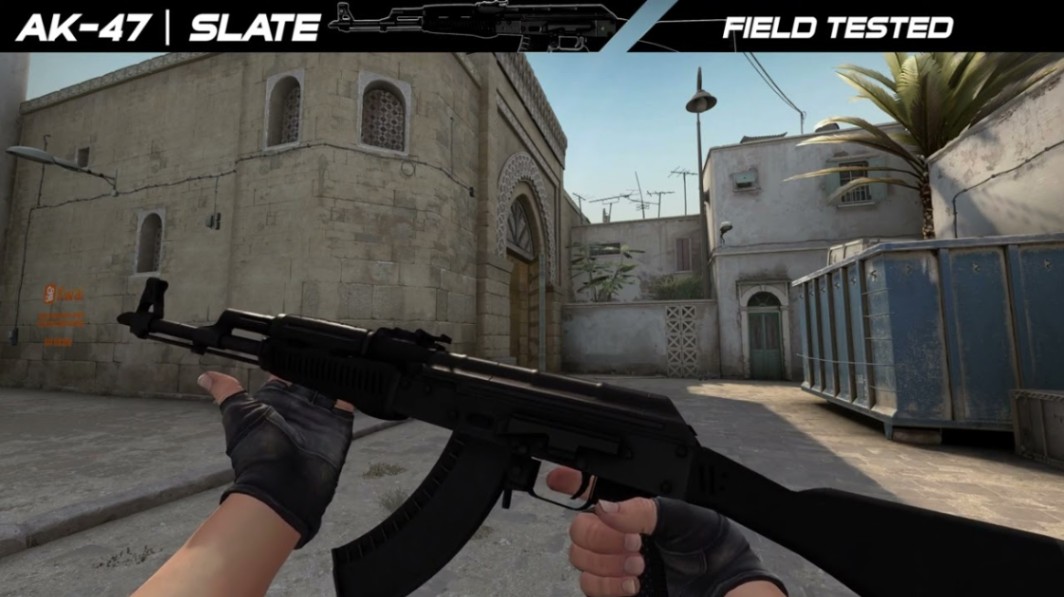
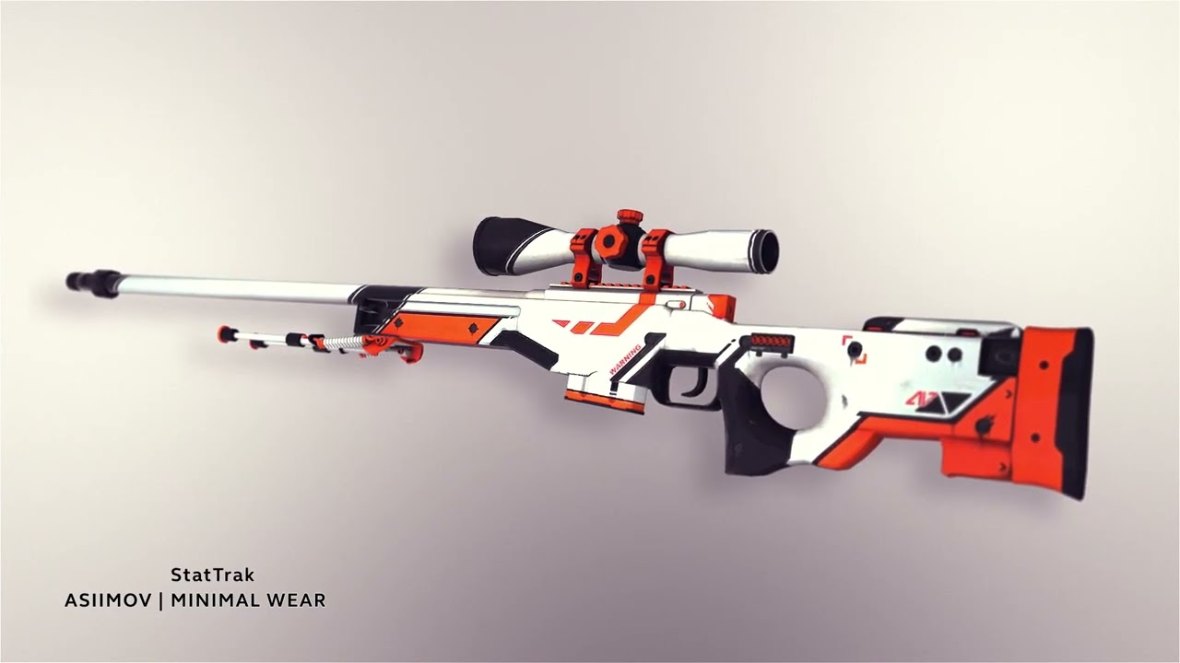
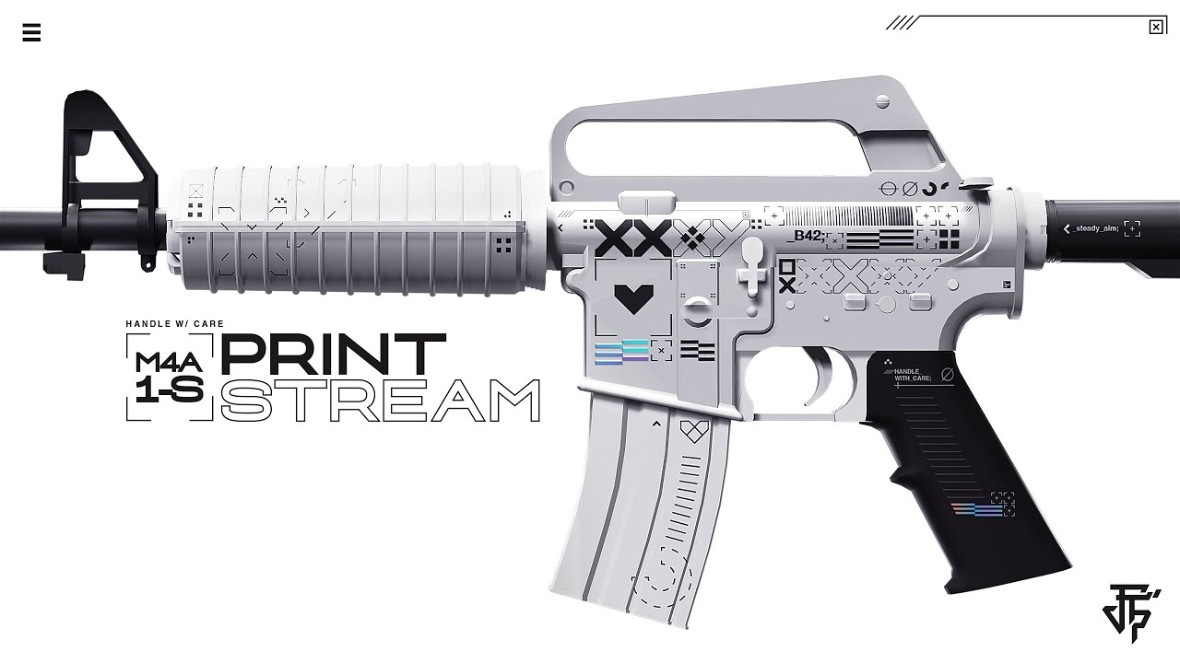
Suppose players repeatedly use a specific holo on AK-47, AWP, M4A1-S, or Glock-18 crafts. Every application converts a tradable sticker into part of a weapon skin.
That does not guarantee appreciation, but sustained application demand can create a meaningful supply sink.
Visual compatibility matters here. A sticker that works beautifully with several popular skins can have a broader audience than one that only looks good in isolation.
Consider combinations involving visually strong finishes such as:
AK-47 | Slate
AWP | Asiimov
M4A1-S | Printstream
Glock-18 | Water Elemental
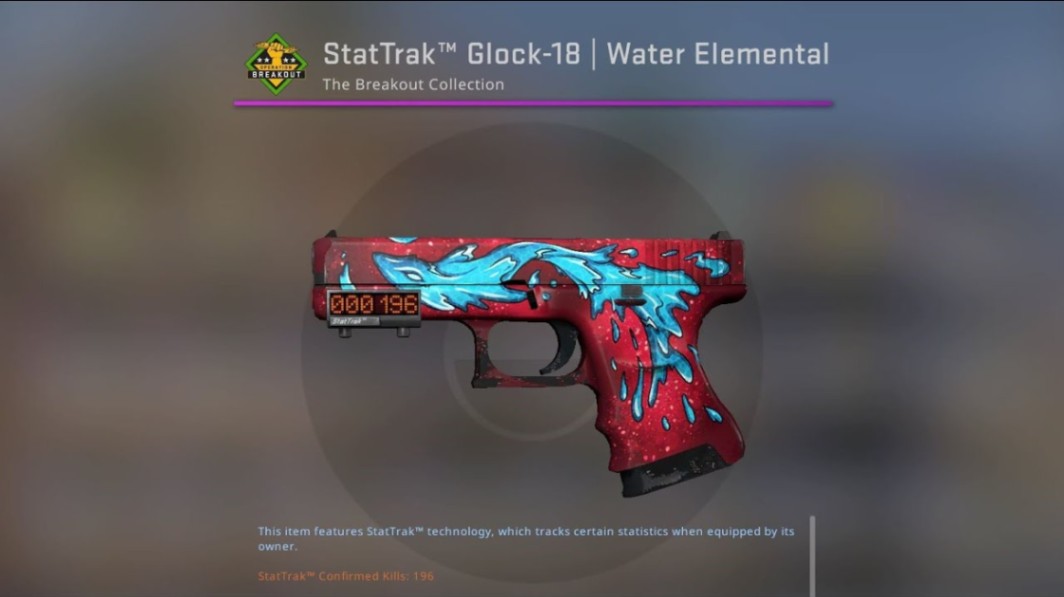
The important question is not whether a sticker matches one specific skin. Ask how many attractive crafts the community can build with it.
Team and Player Legacy
Tournament stickers can function as small pieces of Counter-Strike history.
That makes certain categories particularly interesting: championship teams, legendary organizations, superstar autographs, discontinued logos, and stickers tied to memorable Major runs.
But avoid buying purely because a team just won an event.
Short-term attention can produce sudden demand, followed by an equally fast cooldown. Long-term collector value usually needs a stronger story than one tournament result.
Visual Appeal
Collectors regularly underestimate aesthetics.
Clean team logos, strong holo effects, attractive colors, minimal backgrounds, and stickers that scrape well can all increase crafting appeal.
This is why two stickers from the same tournament can develop very different markets.
Note: A sticker's investment thesis should survive the question: “Would players actually want this on an expensive skin?”
CS2 Sticker Investing: Categories Worth Researching
Instead of treating seven specific stickers as guaranteed “buys,” it is safer and more useful to build a watchlist around categories with identifiable demand drivers.
1. Older Major Holos
Older tournament holos deserve attention because they combine esports history with premium visual effects.
Katowice 2014 is the extreme example. Those stickers occupy a unique place in Counter-Strike collecting, but their value does not mean every later Major holo will follow the same trajectory.
Look for older events where appealing designs meet increasingly constrained availability.
2. Iconic Team Stickers
Organizations such as Natus Vincere, FaZe Clan, Fnatic, Astralis, and Cloud9 have deep histories in Counter-Strike.
Specific tournament editions can become associated with memorable rosters or championship runs.
The logo alone is not enough. Compare different tournament versions of the same organization's sticker and examine which designs players actually prefer for crafts.
3. Player Autographs
Autographs introduce another layer of collectibility.
Legendary players and stars associated with important tournaments can retain collector interest long after a specific Major ends.
But autograph markets can be thin. A high asking price means little if almost nobody is buying.
4. Discontinued or Older Capsules
Sticker capsules can sometimes offer a broader way to gain exposure to a sticker collection.
The advantage is diversification: instead of betting entirely on one team logo or autograph, the capsule represents multiple possible stickers.
The downside is obvious. Large stored inventories can remain hidden from public listings, and speculative demand can inflate capsule prices long before organic opening demand catches up.
5. Strong Modern Holos and Foils
New does not automatically mean bad.
Modern stickers with exceptional effects can develop significant crafting communities. The challenge is supply: recent tournament items may exist in enormous quantities compared with early CS:GO collectibles.
That means demand must work much harder.
The 2026 market also requires investors to understand Valve's evolving Major economy. For IEM Cologne 2026, Valve introduced a redesigned Major Shop where players could directly obtain specific team and autograph stickers using tokens, with relative prices responding to demand. Valve later introduced Ranked Series stickers tied to teams' final standings.
That is a major reminder: old assumptions about Major sticker distribution cannot automatically be applied to new releases.
Pro tip: Analyze every Major under the rules that actually applied to that event. Valve can change distribution mechanics, formats, and availability.
How to Find Hidden-Gem CS2 Stickers
Finding a genuinely overlooked sticker takes more than sorting the market from cheapest to most expensive.
Step 1: Identify the Supply Story
Start with how the sticker entered circulation.
Was it sold through a tournament capsule? Was the source discontinued? Can unopened containers still generate additional copies? Was it distributed through a newer Major system?
Never assume “old” means “fixed supply.”
Step 2: Measure Real Demand
Look beyond active listings.
Check trading activity, buy orders, historical sales, crafting activity, and the difference between asking prices and prices buyers are actually willing to pay.
A sticker with hundreds of listings and constant transactions can be easier to exit than an apparently rare item that sells once every few weeks.
Step 3: Check Craft Potential
Inspect the sticker on different weapon finishes.
Does the holo effect work under CS2 lighting? Is the logo readable? Does the sticker complement common skin colors?
Think like a crafter rather than an investor.
Step 4: Study the Event or Player
For tournament stickers, understand what collectors are buying.
A Major-winning lineup can matter. So can a legendary player autograph, a discontinued organization logo, or an event with particularly popular sticker artwork.
Separate temporary esports hype from long-term historical significance.
Step 5: Compare Similar Stickers
Never analyze an item alone.
If you are researching a NAVI holo, compare it with other NAVI tournament holos. If you are studying an autograph, compare different Major versions from the same player.
You may discover that the “cheap” version is cheap because collectors strongly prefer another design.
Step 6: Check Liquidity Before Buying
Liquidity matters even more with expensive collectibles.
Consider the spread between buy orders and sell listings, transaction frequency, and market depth. A theoretical market price is less useful if selling requires a large discount.
Sticker Investing Mistakes to Avoid
Some common sticker advice is simply wrong.
Treating Stickers Like Weapon Skins
Unapplied stickers do not have weapon-style float values such as 0.01 or 0.45.
Float determines the wear of applicable weapon finishes, from Factory New through Battle-Scarred. Do not pay a supposed premium for a “low-float sticker.”
Applied stickers can instead be scraped, changing their appearance.
Trying to Trade Up Stickers
Trade Up Contracts are for eligible weapon finishes, not stickers.
You cannot combine ten cheap stickers and receive a rarer sticker.
Assuming Holo Means Rare Investment
Holo finishes can be desirable, but the finish name alone tells you little about future performance.
Supply, design, event, team, application rate, and entry price still matter.
Buying Immediately After a Big Win
Tournament success creates attention.
Attention creates demand, but it can also create speculative buying. Entering after a rapid spike means paying for expectations that may already be reflected in the market.
Trusting Asking Prices
A listing is not a completed transaction.
This becomes especially important with rare stickers, where a handful of sellers can create the illusion of a market price.
Note: For illiquid collectibles, completed sales and realistic bids are generally more informative than the highest visible listings.
Applied vs Unapplied Stickers
This distinction changes how you should evaluate an item.
| Feature | Unapplied Sticker | Applied Sticker |
|---|---|---|
| Tradable separately | Yes | No |
| Can be applied to a weapon | Yes | Already applied |
| Has weapon-style float | No | No |
| Can be scraped | No | Yes |
| Collector value | Sticker itself | Depends on entire craft |
| Liquidity | Sticker market | Weapon-skin market |
Once applied, the sticker becomes part of the weapon craft rather than remaining a separate tradable item.
That creates an important economic effect: popular crafting stickers can be continuously removed from unapplied circulation.
However, do not assume a $100 sticker automatically adds $100 to a weapon after application. Craft valuation depends on sticker placement, number of matching stickers, skin choice, overall appearance, and buyer demand.
Building a CS2 Sticker Portfolio
Diversification can make more sense than betting everything on one tournament logo.
A simple research framework could divide candidates into three groups.
Established collectibles include older, recognized stickers with strong collector demand. They may offer scarcity and history, but entry costs can be high.
Mid-generation Major stickers can offer a balance between age, recognizable teams, and remaining supply. Design quality becomes especially important here.
Modern speculative stickers are usually easier to acquire but can carry substantial supply risk.
The goal is not to own as many stickers as possible. A smaller watchlist that you understand is more useful than an inventory filled with random cheap items.
Track why you bought each sticker. Write down the supply thesis, demand catalyst, liquidity level, and conditions that would invalidate your original reasoning.
If the only thesis is “it should go up,” you do not have a thesis.
Pro tip: Keep part of your inventory liquid. Sticker markets can move quickly when Valve releases a new capsule, changes a tournament system, or introduces another cosmetic feature.
Is CS2 Sticker Investing Worth It in 2026?
CS2 sticker investing still offers interesting opportunities, but the market has become more complex.
Historic Major stickers benefit from nostalgia and established collector demand. Modern stickers can attract enormous crafting interest but may face much larger supplies. Meanwhile, Valve continues to experiment with how Major cosmetics are distributed and priced.
That makes research more important than predictions.
Do not build a strategy around promised 50%, 100%, or 200% returns. Nobody can reliably guarantee those numbers.
Instead, look for the combination that has historically made Counter-Strike collectibles interesting: desirable artwork, persistent demand, meaningful history, constrained supply, and enough liquidity to eventually find a buyer.
Prices and liquidity change—check current offers at time of reading.
Key Takeaways
CS2 sticker investing depends on supply, crafting demand, visual appeal, history, and liquidity.
Older does not automatically mean valuable, and cheap does not automatically mean undervalued.
Holos, iconic team logos, notable autographs, and older tournament collections can be useful research categories.
Stickers do not have weapon-style float values and cannot be used in Trade Up Contracts.
Applying a sticker removes it from the unapplied market, but its full market value is rarely transferred directly to the crafted weapon.
Valve's evolving Major sticker systems mean investors should verify the distribution rules for each tournament rather than relying on old assumptions.
FAQ
Are CS2 stickers a good investment?
Some stickers have become valuable collectibles, but there is no guaranteed return. Supply, crafting demand, tournament history, aesthetics, liquidity, and the purchase price all affect the risk. Treat stickers as speculative digital collectibles rather than predictable investments.
What CS2 stickers should I invest in?
Instead of chasing a specific “guaranteed” sticker, research older Major holos, iconic team logos, notable player autographs, discontinued sticker sources, and visually strong stickers with genuine crafting demand. Compare supply and liquidity before buying.
Do CS2 stickers have float values?
No. Stickers do not have the 0.00–1.00 float system used by weapon skins. An applied sticker can be scraped, but that mechanic should not be confused with skin float or Factory New-to-Battle-Scarred wear tiers.
Can you trade up stickers in CS2?
No. CS2 Trade Up Contracts apply to eligible weapon finishes. Ten cheap stickers cannot be exchanged through a Trade Up Contract for a higher-rarity sticker.
Why do old CS2 stickers become expensive?
Age alone does not make a sticker valuable. Older stickers can become expensive when limited availability combines with collector demand, popular crafts, esports history, and continued consumption of unapplied copies.
Are Major stickers still worth watching in 2026?
Yes, but distribution mechanics matter. The IEM Cologne 2026 Major introduced a redesigned shop with direct sticker selection and demand-linked token pricing, followed by Ranked Series stickers. New Major items therefore need to be evaluated under their actual distribution system rather than older capsule-era assumptions.
Author & Update
Author: CS2 market editor specializing in skins, stickers, cases, crafting mechanics, and Counter-Strike cosmetic economy analysis. Updated: September 2026.