
CS2 Skins vs NFTs: Which Is the Better Digital Investment?
The CS2 skins vs NFTs debate looks simple because both involve scarce digital items that can trade for real value. Under the surface, however, the two markets work very differently.
A CS2 skin exists primarily because players want to use or collect it in Counter-Strike 2. An NFT is a blockchain token whose utility can range from digital art and membership access to gaming assets—or sometimes little beyond collectibility.
That distinction matters when evaluating demand.
CS2 skins are connected to an active game economy. NFTs are spread across thousands of unrelated collections, communities, blockchains, and applications. Buying one NFT therefore tells you almost nothing about its risk profile without knowing the specific project.
Note: Neither CS2 skins nor NFTs guarantee returns. Treat historical price increases as historical data, not evidence that an item will continue appreciating.
| Factor | CS2 Skins | NFTs |
|---|---|---|
| Core technology | Valve/Steam inventory system | Blockchain |
| Main utility | CS2 cosmetics and collecting | Depends on project |
| Scarcity | Item supply, collections, cases, patterns | Token/collection supply |
| Ownership infrastructure | Centralized platform | Blockchain-based |
| Pricing factors | Skin, wear, float, pattern, stickers, demand | Collection, rarity, utility, community, token demand |
| Market fragmentation | Moderate | Very high |
| Main platform risk | Valve ecosystem | Blockchain, marketplace, smart contract and project risks |
| Typical buyer | Players, traders, collectors | Collectors, traders, crypto users |
How CS2 Skins Hold Value
CS2 skins are not interchangeable commodities. Two copies of the same weapon finish can carry different collector appeal because of float, pattern, stickers, or StatTrak status.
Understanding these variables is essential before treating skins as speculative assets.
Rarity, Float, and Wear
Wear is divided into familiar CS2 tiers:
Factory New (FN)
Minimal Wear (MW)
Field-Tested (FT)
Well-Worn (WW)
Battle-Scarred (BS)
The underlying float value provides much more precision.
Two Factory New examples of the same skin can have different floats. Extremely low floats may attract collectors, while unusually high floats can also matter for certain items.
Wear does not automatically determine which version is most desirable. The finish itself, available float range, supply, and collector preferences all matter.
Patterns and Special Finishes
Pattern seed can dramatically change how particular CS2 skins look.
Case Hardened finishes are the classic example. Specific patterns with unusually extensive blue coverage can be far more desirable to collectors than ordinary examples of the same skin.
Doppler knives add another layer. Phases such as Phase 1 through Phase 4 have different visual characteristics, while finishes such as Ruby, Sapphire, and Black Pearl occupy distinct collector categories.
This makes CS2 valuation more complicated than simply checking the cheapest listing for a skin with the same name.
Stickers and Collector Value
Stickers can also transform an otherwise ordinary weapon into a specialist collectible.
Katowice 2014 stickers are perhaps the best-known example. Holo variants and desirable team combinations can create substantial collector interest, particularly when placement and the underlying weapon complement each other.
That does not mean you can calculate a stickered weapon's value by adding the standalone values of its stickers.
Applied stickers are valued differently from unapplied stickers, and the premium depends on the entire craft.
Pro tip: When researching an expensive skin, match the exact variant. Weapon, finish, StatTrak status, wear, float, pattern seed, stickers, and sticker placement can all affect comparable sales.
How NFTs Hold Value
NFT valuation works differently because there is no single NFT economy.
One collection might represent digital artwork. Another could provide access to a community or game. A third may depend almost entirely on speculative demand.
NFT value can be influenced by:
Collection supply and rarity
Creator reputation
Community activity
Blockchain liquidity
Utility or access rights
Historical provenance
Marketplace activity
Broader cryptocurrency conditions
Well-known collections such as CryptoPunks and Bored Ape Yacht Club helped establish the profile-picture collectible model. Gaming and metaverse projects have experimented with additional utility.
But recognition does not remove risk. An NFT can remain on-chain while demand for it effectively disappears.
This is one of the biggest distinctions between the two asset classes: the NFT label describes the technology, not the quality or usefulness of the underlying asset.
CS2 Skins vs NFTs: Investment Comparison
For anyone comparing CS2 skins vs NFTs, looking only at historical returns misses the bigger picture.
Liquidity, utility, custody, market structure, and the source of demand are equally important.
Liquidity and Market Access
CS2 has an established trading ecosystem built around Steam inventories.
The Steam Community Market provides an official marketplace for eligible items, while external marketplaces operate separate skin economies. However, Steam Wallet funds are not equivalent to freely withdrawable cash, and third-party platforms introduce their own fees, rules, and counterparty risks.
Popular skins can have substantial trading activity, but liquidity varies dramatically.
An actively traded AK-47 skin is not comparable with an obscure souvenir item featuring an unusual sticker combination. Rare collectibles may be valuable precisely because supply is tiny, yet finding the right buyer can take time.
NFT liquidity is similarly uneven but generally more fragmented.
A heavily traded collection may have active bids and frequent transactions. An abandoned collection can have hundreds or thousands of tokens listed without meaningful buyer demand.
Liquidity should therefore be measured through actual transactions and bids—not listing prices.
Note: A seller can list a digital asset at any price. That does not establish market value. Completed sales and executable bids provide stronger evidence.
Ownership and Platform Risk
This category exposes perhaps the clearest structural difference.
CS2 Skins
CS2 items exist within Valve's ecosystem. Players can trade eligible items between Steam inventories, but Valve controls the underlying platform and its rules.
Changes to trading restrictions, item distribution, cases, marketplace functionality, or account enforcement can influence the skin economy.
That centralized structure is both a weakness and a strength.
It creates platform dependency, but it also gives CS2 skins a standardized inventory system connected directly to Counter-Strike.
NFTs
NFTs use blockchain infrastructure. Control over a token is generally associated with control of the corresponding wallet's private keys.
That can reduce dependence on a single game publisher, but decentralization does not eliminate risk.
NFT buyers may still encounter:
Smart-contract vulnerabilities
Phishing and wallet theft
Marketplace failures
Malicious approvals
Project abandonment
Blockchain-specific problems
Lost private keys
Owning a token also does not automatically mean owning copyright or unrestricted commercial rights to the artwork associated with it. Those rights depend on the project's terms.
Volatility and Speculation
Both markets can be highly speculative.
CS2 skin prices can react to game updates, new collections, case availability, professional tournament exposure, trading changes, and shifts in player demand.
Individual items can behave very differently.
For example, an AWP | Dragon Lore has a collector profile tied to its discontinued collection and iconic status. An AK-47 | Case Hardened can derive additional value from its pattern seed. Doppler knives introduce phase-specific demand.
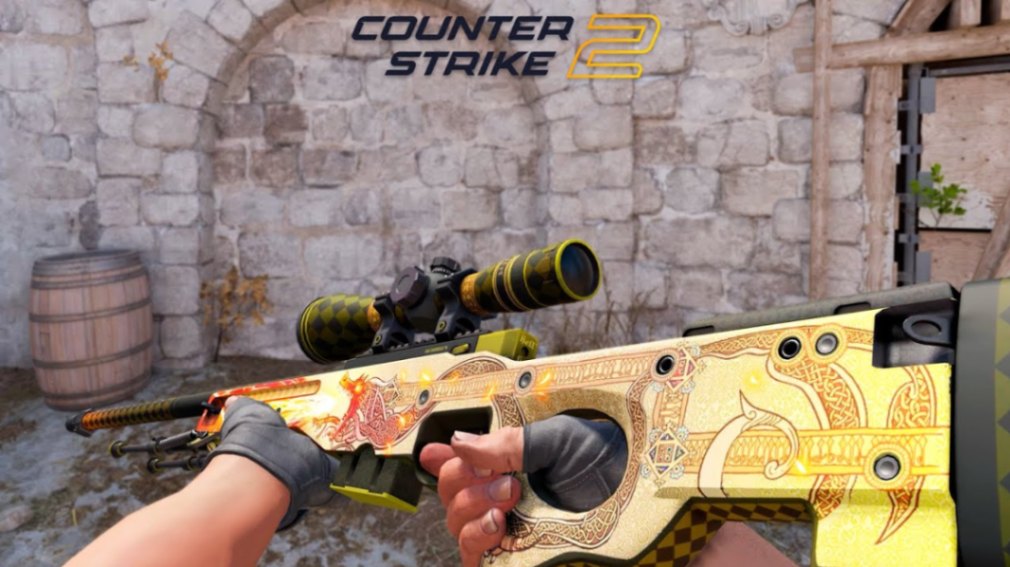
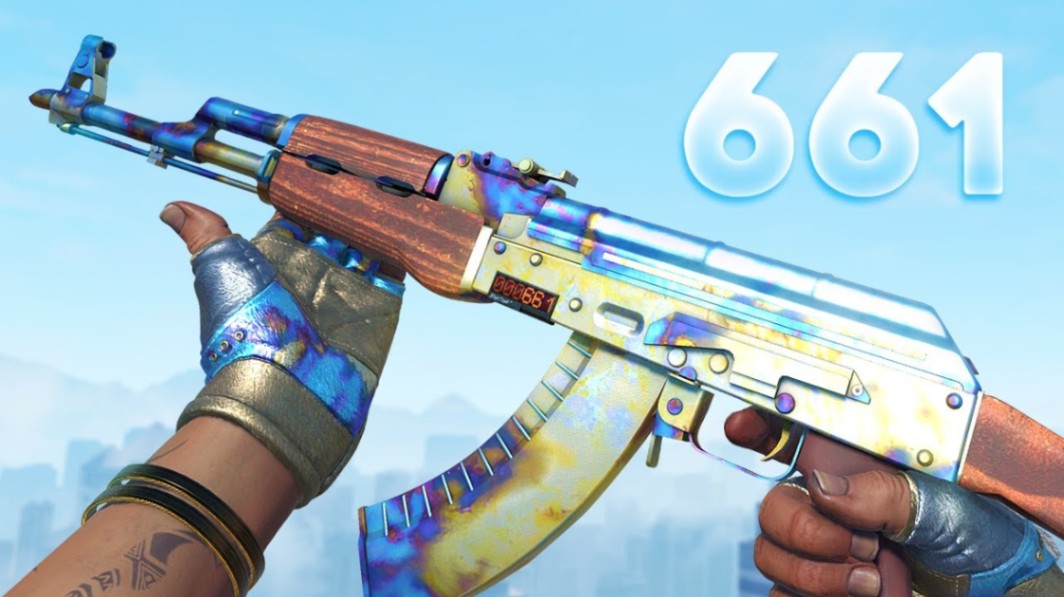
None of these characteristics guarantees appreciation.
NFTs add cryptocurrency-market exposure to the equation. Even when an NFT's token-denominated floor remains unchanged, its fiat value can move because the underlying cryptocurrency changes price.
Projects can also experience dramatic changes in liquidity as attention moves elsewhere.
That makes headline sale prices particularly dangerous as an investment metric.
Pro tip: Separate rarity from demand. A digital asset can be extremely rare and still have few willing buyers.
Utility and Community Demand
Utility is where CS2 skins have a straightforward advantage in clarity.
A CS2 skin has an obvious purpose: you can equip it on a compatible weapon and see it during gameplay. Other players can see it, and collectors can build themed inventories or sticker crafts around it.
The cosmetic does not improve weapon damage, accuracy, or competitive performance. Its utility is visual and social.
NFT utility varies by project.
Some tokens provide membership benefits, game functionality, event access, governance features, or digital collectibles. Others rely primarily on the expectation that another collector will eventually pay more.
That variability makes broad statements such as "NFTs have utility" or "NFTs have no utility" equally misleading.
The correct question is: what does this particular asset actually do, and is there sustainable demand for that function?
How to Evaluate CS2 Skins as an Investment
Buying skins because a chart recently went up is a weak strategy. Research the item itself first.
1. Identify the Exact Variant
Record the weapon, finish, wear, float, StatTrak status, pattern seed, and stickers.
For Dopplers, confirm the correct phase or special finish. For Case Hardened skins, inspect the pattern rather than relying on the generic market name.
2. Research Supply
Determine where the item originates.
Ask whether it comes from an active case, discontinued collection, souvenir package, operation, or another source. Existing supply and potential future supply can affect scarcity.
3. Check Real Market Activity
Compare actual recent transactions where reliable data is available.
Do not treat one unusually high sale as the new market price.
4. Understand Why Collectors Want It
A strong collectible usually has an identifiable demand driver.
That could include iconic artwork, rarity, a desirable pattern, unusually low float, professional-player association, or a historically important sticker craft.
5. Calculate Trading Costs
Marketplace fees and spreads reduce returns.
A skin rising in headline price does not necessarily mean selling it produces the same percentage gain.
6. Consider Valve Risk
Ask what would happen if Valve changed a relevant mechanic or trading rule.
You cannot eliminate platform risk when the asset depends on the Counter-Strike ecosystem.
Note: Expensive does not automatically mean liquid. Some high-end skins require specialist buyers and careful price discovery.
How to Evaluate NFTs
NFT research requires a different checklist.
Start with the blockchain and smart contract rather than social-media hype.
Verify the authentic collection, contract details, creator history, token supply, trading activity, ownership concentration, and what rights or utility the token actually provides.
Then inspect liquidity.
A floor price is less meaningful when almost nobody is buying. Look at transaction frequency, bids, trading volume, and how concentrated activity is among wallets.
Finally, understand custody.
Using a self-custody wallet gives the owner substantial control, but it also transfers security responsibility to that owner. A compromised seed phrase or malicious transaction can result in irreversible losses.
CS2 Skins vs NFTs for Different Types of Buyers
There is no universal answer because the two markets expose buyers to different risks.
| Buyer Priority | What to Examine |
|---|---|
| Gaming utility | CS2 skins provide direct in-game cosmetic use |
| Blockchain ownership | NFTs use blockchain-based token ownership |
| Established gaming community | CS2 skins are tied to Counter-Strike |
| Broad Web3 exposure | NFTs cover many blockchain ecosystems |
| Simple valuation | Neither market is simple; specialized items can be difficult to price |
| Avoiding publisher dependency | NFTs do not inherently depend on Valve |
| Avoiding crypto exposure | CS2 skins do not require blockchain ownership |
| Collector specialization | Both markets can require deep niche knowledge |
For CS2 players who already understand floats, patterns, cases, and sticker crafts, skins may be easier to research because the demand drivers are familiar.
Someone experienced with smart contracts, wallets, blockchain analytics, and NFT communities may be more comfortable analyzing NFT-specific risks.
Knowledge matters because informational advantages become increasingly important in collectible markets.
Can CS2 Skins and NFTs Coexist?
Technically, gaming assets and blockchain tokens can share some concepts: digital scarcity, transferable ownership, provenance, and collector-driven markets.
That does not mean CS2 skins need blockchain technology.
Counter-Strike already has an established inventory and trading infrastructure. Any blockchain implementation involving CS2 items would also have to operate within Valve's rules rather than simply declaring an existing Steam item an NFT.
Unofficial tokens claiming to represent ownership of a CS2 skin should therefore be treated separately from the actual Steam inventory item.
The long-term development of blockchain gaming may produce interesting models, but speculation about future CS2 integration should not be treated as an investment thesis without official support.
Key Takeaways
CS2 skins vs NFTs are fundamentally different markets: skins depend on Counter-Strike and Valve, while NFTs depend on blockchain infrastructure and individual projects.
CS2 skin value can depend on wear, float, pattern seed, StatTrak status, stickers, supply, and collector demand.
NFT valuation depends heavily on the specific collection, utility, blockchain, community, liquidity, and token structure.
CS2 skins offer clear in-game cosmetic utility but carry centralized platform risk.
NFTs provide blockchain-based ownership but introduce smart-contract, wallet, project, and cryptocurrency-market risks.
Neither category should be treated as guaranteed passive income or predictable appreciation.
FAQ
Are CS2 skins a better investment than NFTs?
There is no universal winner. CS2 skins have identifiable gaming utility and an established Counter-Strike collector economy, while NFTs offer blockchain-based ownership across a much broader range of projects. Both are speculative and can lose value.
Are CS2 skins actually NFTs?
No. Standard CS2 skins are Steam inventory items managed through Valve's infrastructure. They are not blockchain tokens and do not require a cryptocurrency wallet.
Can CS2 skins lose value?
Yes. Prices can fall because of changing demand, increased supply, game updates, marketplace conditions, Valve policy changes, or broader shifts in the CS2 economy. Rare items are not guaranteed to appreciate.
What makes a CS2 skin valuable?
Demand and scarcity are central factors, but collectors may also consider rarity, float, wear, pattern seed, StatTrak status, stickers, provenance, and the item's source. An AK-47 | Case Hardened with a desirable pattern, for example, may trade differently from an ordinary pattern of the same skin.
Are NFTs safer because they are decentralized?
Not necessarily. Blockchain ownership removes some centralized dependencies but creates different risks, including wallet theft, malicious contracts, phishing, lost keys, weak liquidity, and abandoned projects.
What is the biggest difference between CS2 skins and NFTs?
The biggest difference is infrastructure and utility. CS2 skins are game cosmetics managed within Valve's Counter-Strike ecosystem. NFTs are blockchain tokens whose purpose, rights, utility, and market structure vary from project to project.
Author & Update
CS2News Editorial Team — Counter-Strike market coverage focused on skins, cases, float values, patterns, stickers, trading mechanics, and the CS2 item economy. Updated: August 2026.