
CS2 Skin Trading Explained: How Players Buy, Sell, and Profit
What Is CS2 Skin Trading?
At its core, CS2 skin trading involves exchanging cosmetic items such as:
Weapon skins
Knives and gloves
Stickers (including holo and foil variants)
Graffiti and charms
These items don't affect gameplay, but they carry value due to rarity, aesthetics, and community demand.
For example:
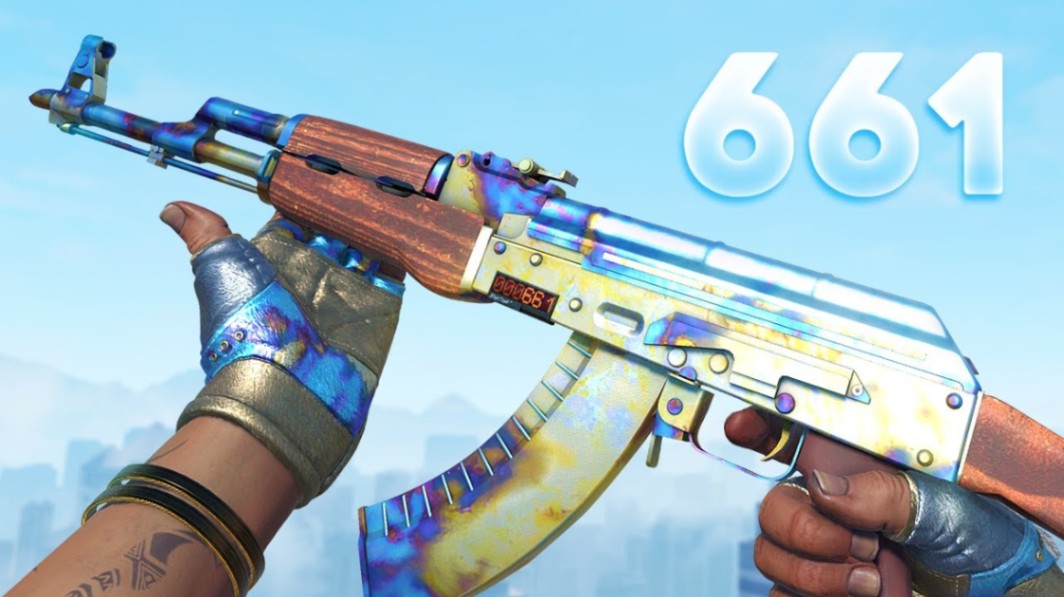
AK-47 Case Hardened with rare blue-heavy patterns (like pattern 661) can attract collectors.
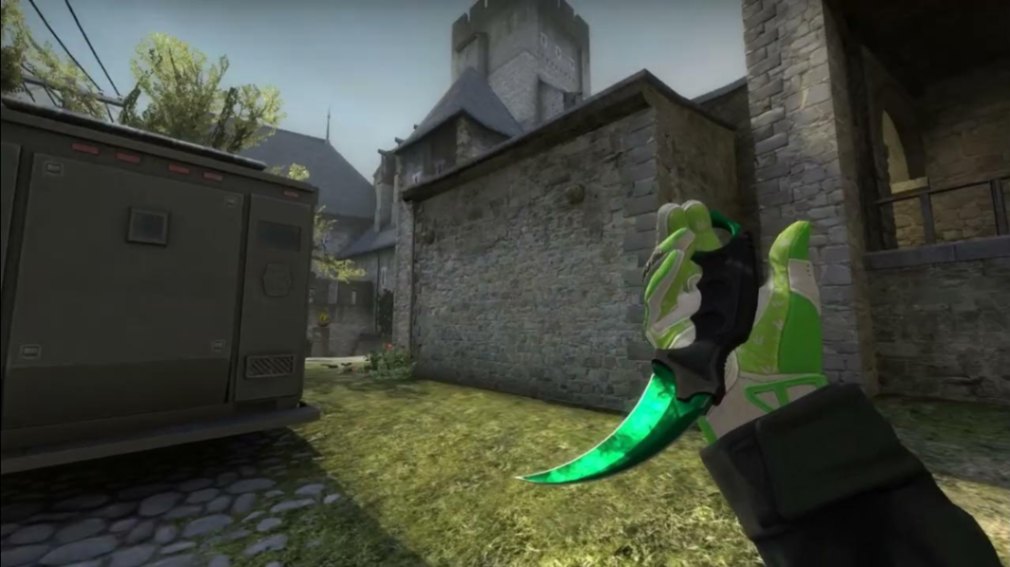
Karambit Doppler knives vary in value depending on their Doppler phase.
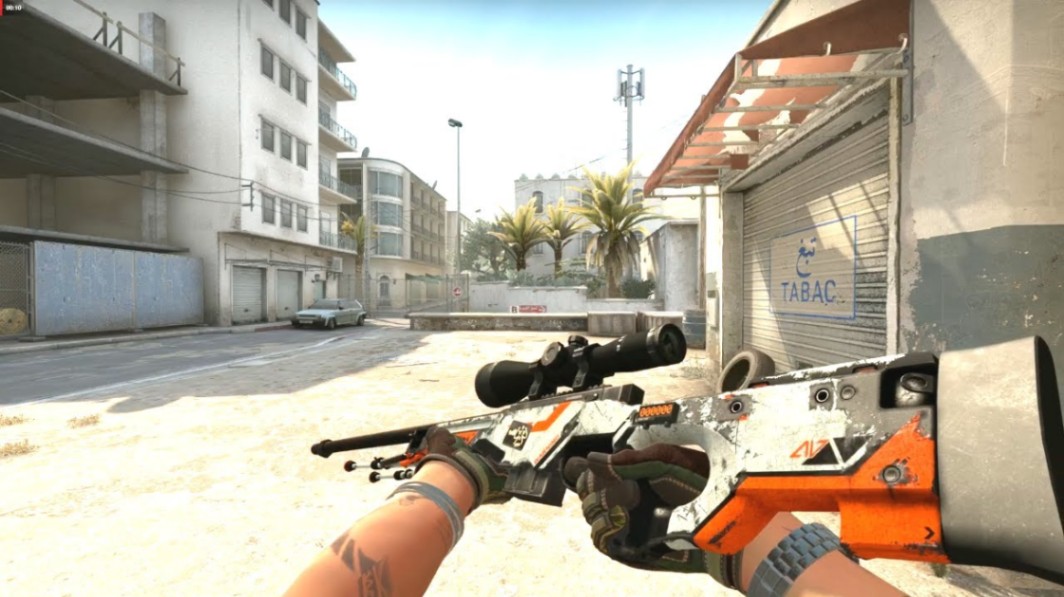
Skins like AWP Asiimov remain popular because of iconic design and long-term demand.
Each skin also has technical attributes that affect price:
| Attribute | Meaning |
|---|---|
| Wear Tier | Factory New → Battle-Scarred |
| Float Value | Exact condition within the wear tier |
| Pattern / Seed | Determines visual variation |
| StatTrak | Tracks in-game kills |
Understanding these mechanics is essential for anyone entering the trading scene.
Why CS2 Skins Have Real Value
The CS2 economy is driven by scarcity, demand, and community interest.
Several factors influence skin prices:
1. Rarity
Skins come from cases, collections, or operations. Some drops become unavailable once an operation ends.
Example: operation collections historically gain collector demand once they stop dropping.
2. Condition (Wear)
The wear tier dramatically affects price:
Factory New (FN)
Minimal Wear (MW)
Field-Tested (FT)
Well-Worn (WW)
Battle-Scarred (BS)
Even within the same tier, a lower float value can increase desirability.
3. Collector Interest
Items tied to CS history often attract collectors.
Classic examples include:
Katowice 2014 stickers
Rare knife patterns
Discontinued cases
Prices and liquidity change—check current offers at time of reading.
How CS2 Skin Trading Works
There are three main ways players trade skins.
Steam Market
The Steam Community Market is the official trading environment.
Players list skins and purchase items using their Steam wallet balance.
Pros
| Pros | Cons |
|---|---|
| Safe and official | Funds locked to Steam |
| Easy to use | Higher fees |
| Large user base | Limited cash withdrawal |
Steam is ideal for beginners but not always for serious trading.
Third-Party Marketplaces
External marketplaces allow players to buy and sell skins with real money.
These platforms typically offer:
Better liquidity
More pricing competition
Cash withdrawal options
Many traders use them to compare prices and find undervalued skins across markets.
Example scenario:
A trader buys an M4A4 Howl (Field-Tested) on one marketplace where supply is higher and sells it on another where demand is stronger.
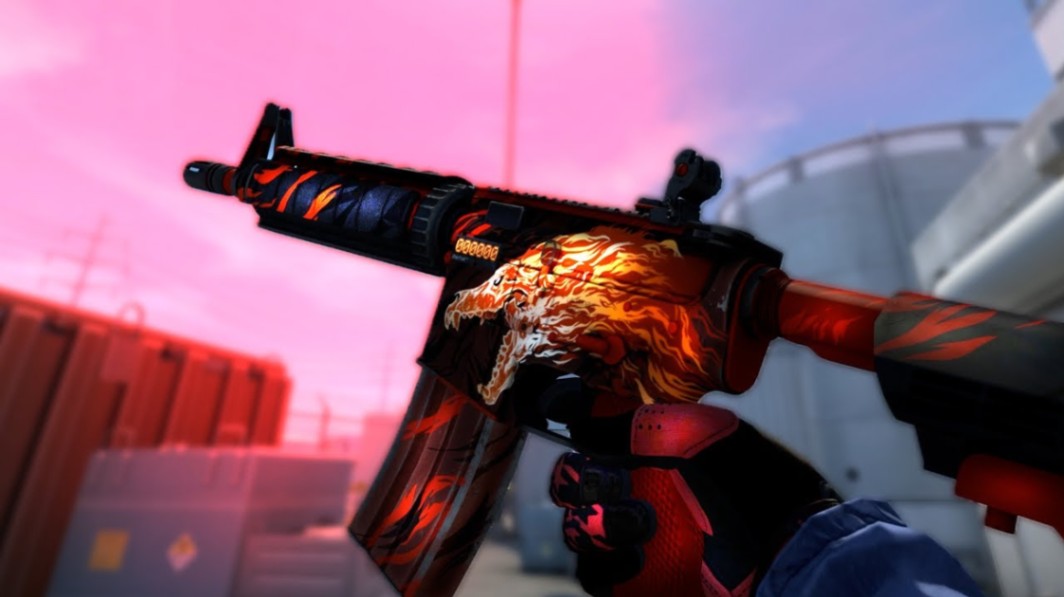
This strategy relies on market differences rather than guessing future prices.
Note: Always verify marketplace reputation and security features before trading.
Peer-to-Peer Trading
Peer-to-peer (P2P) trading means direct exchanges between players.
This often happens through trading communities, Discord groups, or dedicated P2P platforms.
Typical P2P deals include:
Skin-for-skin trades
Bulk inventory trades
Cash-for-skin transactions
Because there is no automated middle layer, trust and verification matter.
Scammers often target inexperienced traders.
Popular CS2 Trading Strategies
Not every trader approaches the market the same way. Most successful traders rely on consistent strategies.
Long-Term Holding
Some traders buy skins they believe will gain demand over time.
Examples often include:
Older operation skins
Rare knives
Discontinued cases
Collectors frequently hold items for months or years.
The logic is simple: supply stops increasing while demand slowly grows.
Marketplace Flipping
Flipping means buying skins at a lower price and selling them slightly higher.
Traders often look for:
Price differences between marketplaces
Underpriced listings
High-liquidity skins
Common flip targets include:
AWP skins
AK-47 skins
Popular knives
These items sell quickly because demand stays consistent.
Pattern and Float Hunting
Advanced traders hunt for special patterns or floats.
Examples include:
Blue-heavy Case Hardened patterns
Extremely low float values (e.g., <0.01)
Unique sticker combinations
These items often attract collectors willing to pay premiums.
However, identifying valuable patterns requires experience.
Pro Tip: Always inspect the exact float and pattern index before trading high-tier skins.
Risks and Safety Tips in Skin Trading
Like any digital marketplace, CS2 skin trading carries risks.
Common issues include:
Phishing attempts
Fake trade bots
Impersonation scams
Price manipulation
Basic safety practices help avoid most problems.
Safe trading habits
Always double-check trade offers.
Verify marketplace URLs before logging in.
Avoid rushing trades with unknown users.
Use Steam Guard mobile confirmation.
If a deal looks unusually good, caution is usually justified.
Choosing the Right CS2 Trading Platform
Not all trading platforms serve the same purpose.
Traders often compare platforms using these factors:
| Factor | Why It Matters |
|---|---|
| Liquidity | Determines how quickly items sell |
| Fees | Affects overall profit |
| Security | Protects accounts and trades |
| Payment options | Enables cash withdrawals |
| Price transparency | Helps identify market opportunities |
Many traders rely on price comparison tools to scan multiple marketplaces at once.
This helps locate the best buying or selling opportunities without manually checking each site.
Key Takeaways
CS2 skin trading involves buying, selling, or exchanging in-game cosmetics with real market demand.
Skin value depends on rarity, wear tier, float value, and collector interest.
Trades happen through Steam Market, third-party marketplaces, or peer-to-peer deals.
Common trading strategies include long-term holding, flipping, and pattern hunting.
Security and research are essential to avoid scams and bad trades.
FAQ
Is CS2 skin trading legal?
Yes. Trading skins is allowed within Steam’s ecosystem and across legitimate marketplaces, as long as transactions follow platform rules.
Can you make money from CS2 skin trading?
Some traders generate profit through flipping, investing in rare skins, or identifying undervalued items. However, market knowledge and patience are essential.
What is the safest way to trade CS2 skins?
The Steam Community Market is generally the safest environment because trades are handled within the official platform. Third-party sites require additional caution.
Do float values affect skin prices?
Yes. Lower float values usually make skins more desirable, especially within the same wear tier.
Example: a Factory New skin with a 0.01 float may attract more interest than one with a 0.06 float.
Why are some Case Hardened skins more expensive?
Each Case Hardened pattern is unique. Patterns with large blue areas—often called “blue gems”—are rare and highly collectible.
Are rare stickers important in trading?
Very much so. Historic stickers like Katowice 2014 holo variants can significantly increase a weapon skin’s collector value.
Author & Update
Written by the Pricempire CS2 Market Team — traders and analysts specializing in Counter-Strike skin economies and marketplace data.
Updated: March 2026