
CS2 Skin Market Sustainability: Expert Outlook and Key Risks
CS2 skins have something many speculative digital collectibles lack: they exist inside an actively played game.
Players can equip an AK-47 | Redline, inspect an AWP | Dragon Lore, build sticker crafts, collect knives, or simply trade items. That gives skins utility beyond watching their market value move.
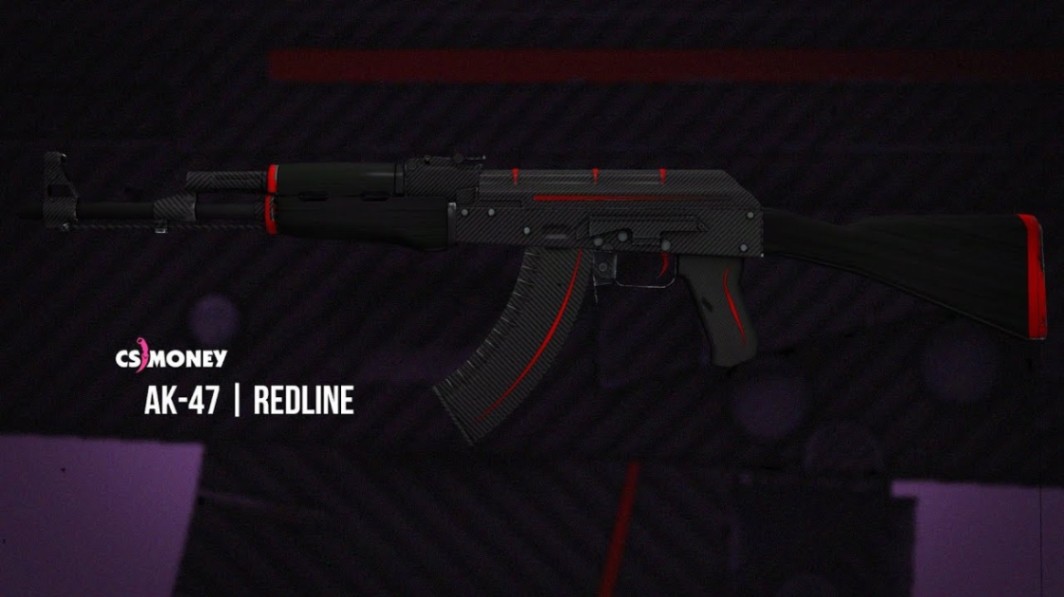
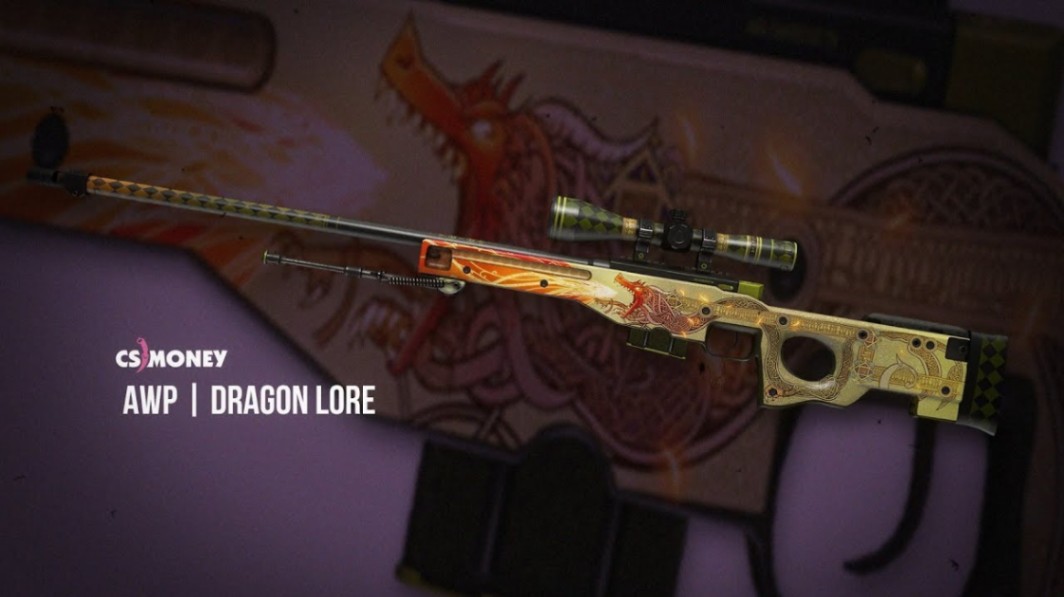
Three forces are especially important: game utility, collectible demand, and transferable ownership within Valve's ecosystem.
Counter-Strike's Player Economy
A healthy player population creates continuous demand at multiple price levels.
New players may start with inexpensive weapon finishes. Long-term collectors can pursue rare patterns, low floats, discontinued collections, expensive stickers, or historically important skins.
This produces a market that is broader than a small group of high-value collectors.
More importantly, cosmetic ownership is deeply integrated into Counter-Strike culture. Players inspect inventories, recognize famous skins during professional matches, discuss crafts, compare patterns, and build loadouts around specific themes.
That cultural layer is difficult to measure, but it matters.
Note: A large player base does not automatically mean every skin will appreciate. Individual items can lose demand even while the overall CS2 economy remains active.
Scarcity and Collectibility
Scarcity is another pillar of CS2 skin market sustainability.
Some supply restrictions are structural. Older collections may no longer drop normally, cases can move into different availability pools, and individual skins can have exceptionally rare float or pattern characteristics.
Consider a few well-known examples:
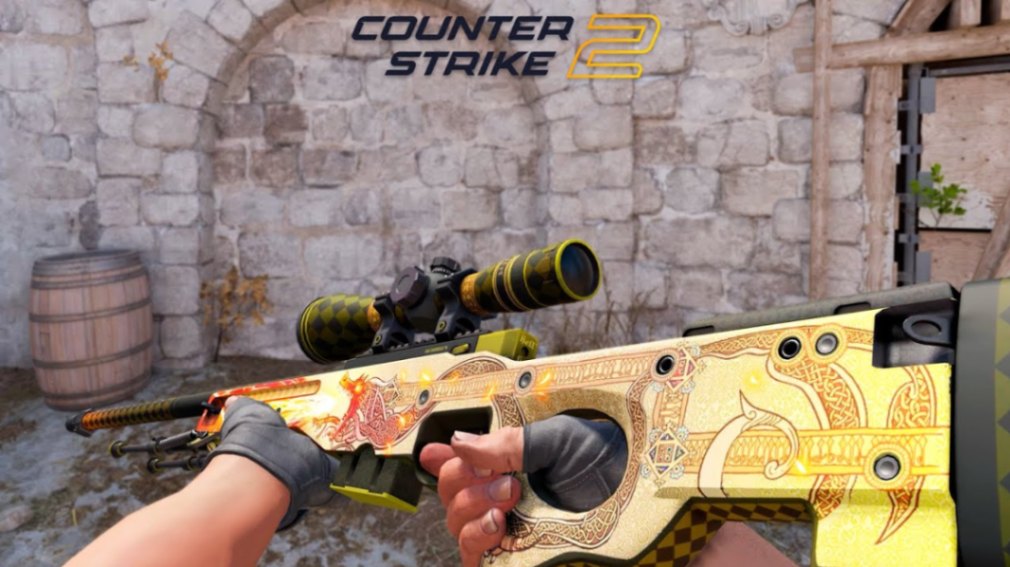
AWP | Dragon Lore combines iconic status with restricted historical supply.
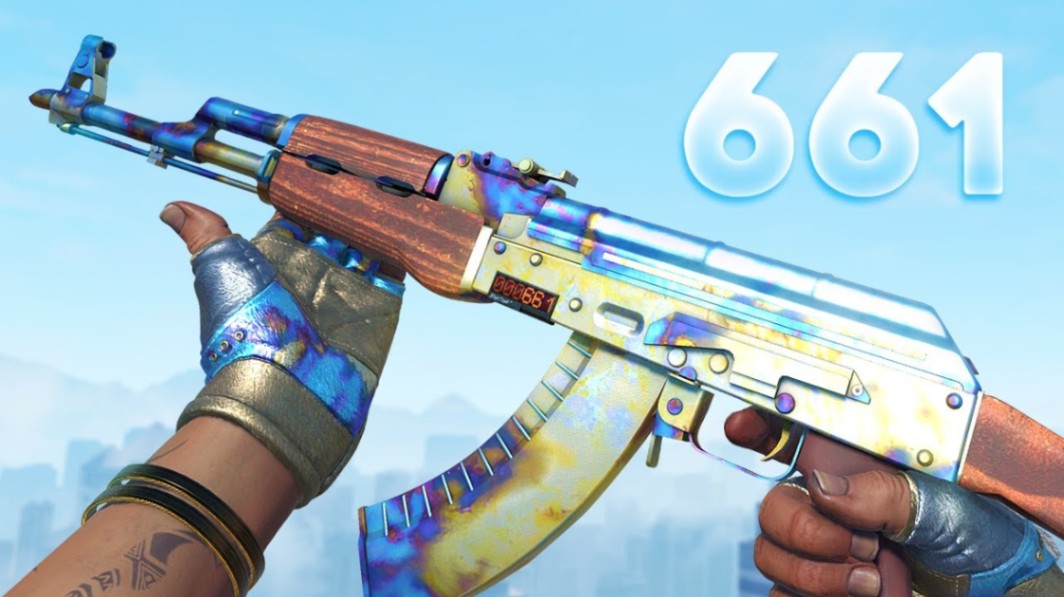
AK-47 | Case Hardened can command special collector interest because pattern seeds produce dramatically different appearances.
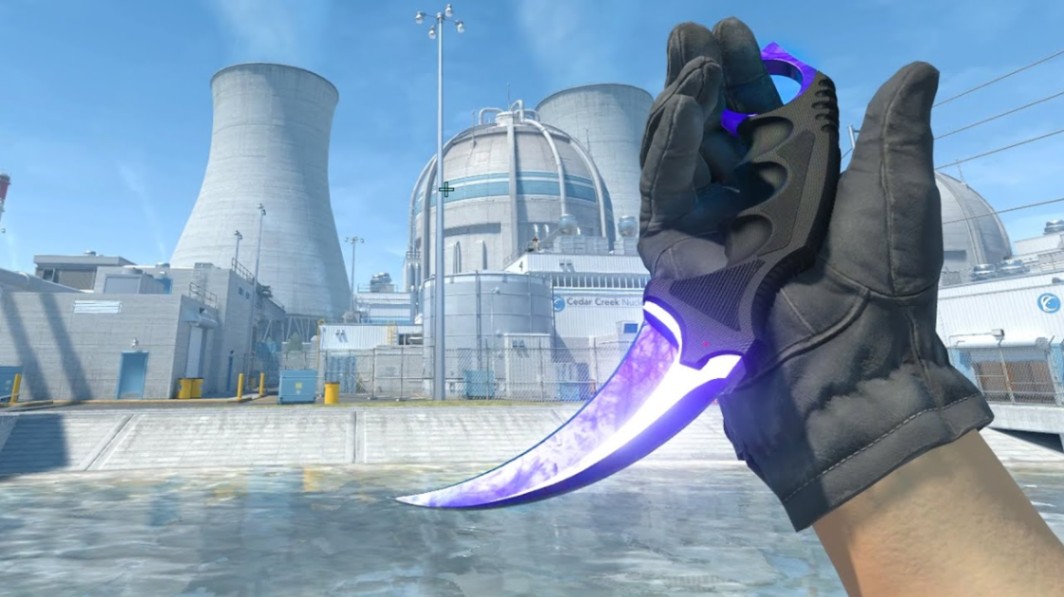
Karambit | Doppler variants demonstrate how phase and finish can influence demand even within the same base skin.
Katowice 2014 holo stickers represent an early period of the Counter-Strike cosmetic economy and remain culturally significant collectibles.
The important distinction is between scarcity and desirable scarcity.
An item being rare does not make it valuable by itself. Buyers must also want it.
How the CS2 Skin Economy Actually Works
CS2 skins occupy an unusual position between gaming cosmetics and digital collectibles.
Their characteristics are determined by several variables, including weapon, finish, rarity, exterior, float, pattern seed, StatTrak status, stickers, and sometimes the placement of those stickers.
That complexity creates thousands of market segments rather than one uniform "skin market."
Utility, Collecting, and Speculation
Demand generally comes from three overlapping groups.
Players buy skins primarily because they want to use them. A player may choose an M4A1-S finish because it matches a loadout rather than because they expect its price to rise.
Collectors focus more heavily on rarity, history, patterns, floats, stickers, and unusual combinations.
Speculators buy items because they expect future demand or restricted supply to increase their market value.
The healthiest version of the economy contains all three.
If speculation overwhelms actual player and collector demand, prices can become increasingly dependent on expectations of finding another buyer.
Pro tip: When evaluating a skin's long-term demand, separate "people want to own this" from "people want to buy this because they think its price will rise." Those are very different market signals.
Why Liquidity Matters
A displayed market value is not the same thing as liquidity.
Common skins with large trading volumes may be relatively easy to sell near prevailing market levels. Rare patterns, expensive crafts, or unusual float items can require specialized buyers.
This becomes increasingly important at the high end.
A rare Case Hardened pattern may have substantial collector value, for example, but its realistic sale price depends on finding someone who understands and wants that exact pattern.
| Market Factor | Why It Supports Sustainability | Main Risk |
|---|---|---|
| Active players | Creates organic cosmetic demand | Player decline |
| Skin utility | Items can be used in CS2 | Changing preferences |
| Scarcity | Restricts available supply | Artificial hype |
| Trading | Connects buyers and sellers | Platform restrictions |
| Collecting culture | Supports rare and historic items | Generational shifts |
| Esports exposure | Keeps iconic skins visible | Trend dependence |
| Speculation | Adds capital and activity | Bubbles and volatility |
Prices and liquidity change—check current offers at time of reading.
CS2 Skin Market Sustainability and Valve's Role
Valve is arguably the single biggest structural variable in the entire economy.
The company controls Counter-Strike 2, Steam, inventory mechanics, item creation, case systems, trading rules, and the official Steam Community Market infrastructure.
That centralization provides stability in some areas but creates dependency in others.
A change involving trade restrictions, case availability, item drops, market functionality, or newly released cosmetics can affect supply and demand quickly.
Valve also controls something investors cannot: future content.
A new case can redirect player attention toward new finishes. A weapon balance update can affect how often a gun appears in matches. Changes to maps, collections, trade mechanics, or case systems can create secondary effects across the market.
For this reason, CS2 skins should not be treated like independent financial assets.
Their economics remain tied to Valve's game ecosystem.
Can Scarcity Support Skin Values Long Term?
Scarcity can help, but supply is only half of the equation.
Imagine two skins with similarly limited availability. One has iconic artwork, a popular weapon, strong historical relevance, and widespread recognition. The other has limited supply but little collector interest.
Their long-term behavior may be completely different.
Collectors therefore tend to examine several forms of scarcity:
Supply Scarcity
How many examples are likely to exist, and can additional ones still enter circulation?
Condition Scarcity
Float matters. A particularly low-float Factory New example can belong to a much smaller subgroup than the overall skin population.
The familiar exterior tiers remain:
Factory New (FN) → Minimal Wear (MW) → Field-Tested (FT) → Well-Worn (WW) → Battle-Scarred (BS).
However, two skins in the same wear tier can still have different floats and appearances.
Pattern Scarcity
Pattern seed can dramatically affect selected finishes.
Case Hardened skins are the obvious example. The underlying skin name remains identical, but specific patterns can carry substantially more collector interest.
Doppler knives introduce another form of variation through phases and rare finishes.
Historical Scarcity
Some items derive demand from their place in Counter-Strike history.
Katowice 2014 stickers are a strong example. Their appeal is not based solely on the number remaining; they represent an early and highly recognizable era of CS cosmetics.
Note: Past appreciation is not proof of future performance. Historic skins can still experience sharp changes in demand and liquidity.
Major Risks to the CS2 Skin Market
Long-term sustainability does not mean constant growth.
The CS2 economy contains several risks that buyers and collectors should understand.
| Risk | Potential Effect | What to Watch |
|---|---|---|
| Valve policy changes | Trading or supply disruption | Official CS2 and Steam changes |
| Player decline | Lower cosmetic demand | Long-term engagement |
| Excessive speculation | Unsustainable valuations | Rapid hype-driven moves |
| New skin supply | Attention shifts | Cases and collections |
| Regulation | Changes to case systems | Regional rules |
| Fraud | Reduced user trust | Phishing and impersonation |
| Liquidity contraction | Harder exits | Actual sales and listings |
| Weapon meta changes | Demand shifts between guns | Gameplay updates |
Market concentration presents another concern.
A small number of extremely expensive transactions can attract disproportionate attention, creating the impression that every older skin behaves similarly. In practice, CS2 contains everything from highly liquid commodity-like items to niche collectibles that can take considerable time to sell.
This is why market capitalization estimates should also be treated cautiously. Assigning every existing item its latest observed price does not mean the entire supply could actually be sold at that valuation.
Security, Scams, and Market Trust
Security is essential to CS2 skin market sustainability because skins are transferable.
Where valuable inventories exist, phishing, account theft, impersonation, fake trading sites, malicious links, and social-engineering attacks follow.
Steam Guard and careful account security reduce risk, but users still need to verify every trade independently.
High-value collectors face additional challenges because a single compromised account can contain years of accumulated items.
Third-party marketplaces introduce another layer of counterparty and platform risk. Their withdrawal systems, fees, verification requirements, liquidity, and regional availability can change.
Pro tip: Treat unexpected trade links, "price check" requests, tournament voting pages, and urgent account warnings as potential attack vectors. Access trading services through verified destinations rather than links sent by strangers.
Market trust matters beyond individual losses. If users believe trading is unsafe, participation becomes less attractive, particularly to newcomers.
Regulation and Loot Box Pressure
Regulation is one of the hardest long-term variables to predict.
Loot boxes and paid randomized rewards have faced different levels of scrutiny across jurisdictions. Rules are not uniform, and regulatory treatment can change.
CS2 cases are particularly relevant because opening them involves paying for a randomized cosmetic outcome. The existence of secondary-market value adds another dimension to policy discussions.
This does not mean regulation will eliminate the CS2 skin economy.
Even substantial changes to case-opening systems would not automatically erase existing collector demand. However, restrictions could alter how new items enter circulation, how users interact with cases, or how certain services operate in particular countries.
For long-term analysis, regulation should therefore be treated as a structural risk rather than an automatic market-ending event.
Esports and Community Influence
Counter-Strike's competitive scene gives skins continuous cultural exposure.
Professional players use recognizable knives, gloves, rifles, and sticker crafts during matches watched by large gaming audiences. Streamers and content creators amplify the same effect.
A skin does not need an esports connection to become valuable, but visibility can reinforce its status.
Community culture also creates categories of value that are difficult to reproduce mechanically.
Sticker crafts are a good example. Applying an expensive holo sticker to a weapon permanently changes the item and creates a unique combination. Collectors may value the finished craft, but they generally do not calculate it simply by adding the theoretical value of the weapon and unapplied stickers.
This creates a genuinely collector-driven market rather than a simple rarity ladder.
What Experts Look for When Evaluating Sustainability
A serious assessment of the CS2 economy should focus on measurable behavior rather than dramatic individual sales.
Five signals are particularly useful:
Player engagement. Are people continuing to play Counter-Strike and interact with inventories?
Trading activity. Are skins changing hands across different price segments?
Organic demand. Are users buying items to play and collect, rather than purely to speculate?
Supply behavior. Are older items becoming structurally scarcer, or can new supply continue entering the market?
Valve policy stability. Are trading, inventories, cases, and the broader cosmetic ecosystem continuing to function predictably?
No single indicator proves that the market is healthy.
For example, rising prices accompanied by falling liquidity can produce a very different picture from rising prices supported by active transactions and expanding participation.
Note: Record sales make good headlines but weak market benchmarks. Repeated transactions across comparable items provide more useful information about actual demand.
Future Outlook for the CS2 Skin Economy
The strongest argument for continued CS2 skin market sustainability is surprisingly simple: skins are attached to a game people actively use.
They are not merely database entries created for investment. Players equip them every round.
That connection gives the market an underlying source of demand, while scarcity, float, patterns, stickers, esports history, and collecting culture create additional layers of value.
There is also room for continued innovation without requiring blockchain or NFTs. CS2 already supports persistent inventory ownership and player-to-player transfers within Valve's controlled ecosystem.
Blockchain integration is therefore not necessary for the existing market model to function.
The bigger question is whether Counter-Strike can maintain its cultural relevance while Valve keeps the cosmetic economy attractive and sufficiently predictable.
If it can, skins have a strong foundation for remaining an important category of gaming collectibles.
If player interest falls substantially, trading becomes heavily restricted, or speculative demand separates too far from actual collector demand, the market could face a more difficult adjustment.
The likely future is therefore neither guaranteed growth nor sudden disappearance. It is continued evolution—with periods of expansion, corrections, shifting trends, and individual items performing very differently from the broader market.
Key Takeaways
CS2 skin market sustainability ultimately depends on continued demand for Counter-Strike and its cosmetic ecosystem.
Gameplay utility distinguishes CS2 skins from many purely speculative digital collectibles.
Scarcity matters most when combined with desirability, history, visual appeal, or collector significance.
Float, pattern seed, StatTrak status, Doppler phases, and rare stickers can create distinct submarkets within individual skins.
Valve policy, regulation, security threats, speculation, and declining liquidity are major risks.
Skin prices should never be assumed to rise simply because an item is old or rare.
FAQ
Is the CS2 skin market sustainable long term?
Potentially, but there is no guarantee. Long-term sustainability depends on Counter-Strike maintaining an active community, Valve continuing to support its cosmetic economy, healthy trading activity, and genuine player and collector demand.
Why do CS2 skins have value?
Skins combine in-game utility, visual appeal, scarcity, collectibility, and transferability. Certain items gain additional demand from rare floats, pattern seeds, discontinued availability, StatTrak versions, valuable sticker crafts, or historical significance.
Can CS2 skins lose their value?
Yes. Demand can decline because of changing trends, Valve updates, new releases, weapon popularity, regulatory developments, reduced liquidity, or broader market corrections. Rare items are not immune to price declines.
Are CS2 skins a safe investment?
CS2 skins carry significant risks and should not be treated as guaranteed investments. Prices can be volatile, liquidity varies widely, and Valve retains substantial control over the ecosystem. Account theft and marketplace risks must also be considered.
Does float matter for long-term skin value?
It can. Float determines wear and can create additional scarcity at extreme values. However, the importance of float depends heavily on the specific finish and collector demand. Pattern, stickers, weapon popularity, and overall supply may matter just as much.
What is the biggest risk to CS2 skin market sustainability?
Dependence on the Counter-Strike ecosystem is the central structural risk. Valve controls the game and key inventory mechanics, while player demand ultimately gives skins their utility and cultural relevance. Regulation, speculation, fraud, and liquidity are additional concerns.
Author & Update
CS2News Editorial Team — Counter-Strike market coverage focused on skins, cases, trading mechanics, float, patterns, and the CS2 item economy. Updated: August 2026.