
CS2 Case NFTs: Future of Digital Skins or Just a Web3 Dream?
A non-fungible token (NFT) is a blockchain record that represents ownership of a unique digital asset. Applied to Counter-Strike, a skin could exist as both an in-game cosmetic and a blockchain asset with independently verifiable ownership.
Unlike today's Steam inventory system, where every item is managed through Valve's infrastructure, blockchain-based skins would theoretically allow ownership beyond a single platform.
In practice, a future NFT version of a skin might include:
Permanent ownership records
Public transaction history
Verifiable scarcity
Transfers through compatible blockchain wallets
That doesn't automatically make the item more valuable—but it changes how ownership is recorded.
Why Players Are Talking About Blockchain Skins
The CS economy has grown into one of gaming's largest digital marketplaces. Rare skins, stickers, and collectibles already behave similarly to luxury collectibles.
Examples include:
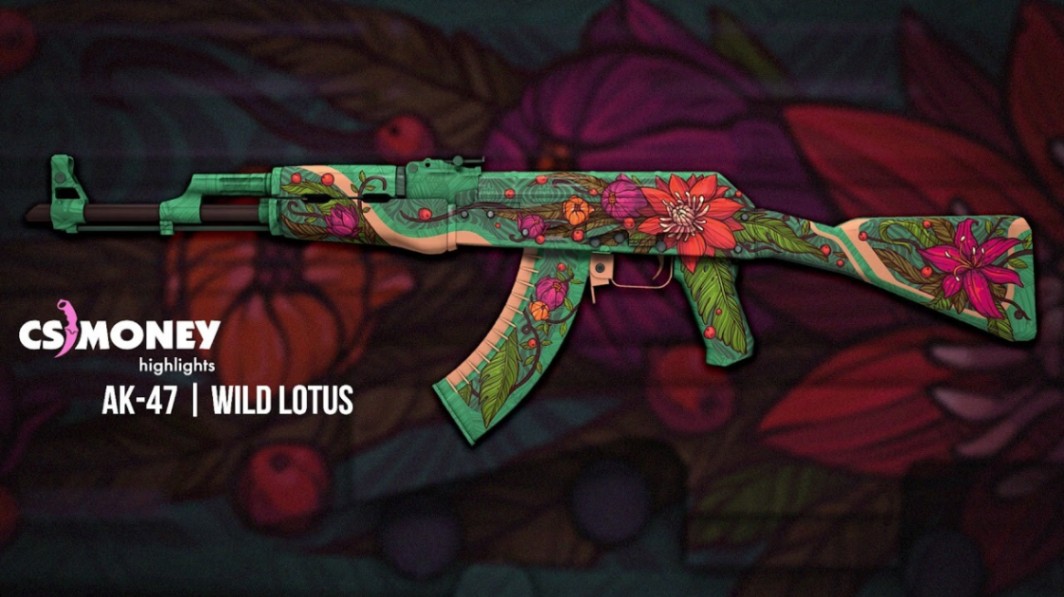
AK-47 | Wild Lotus
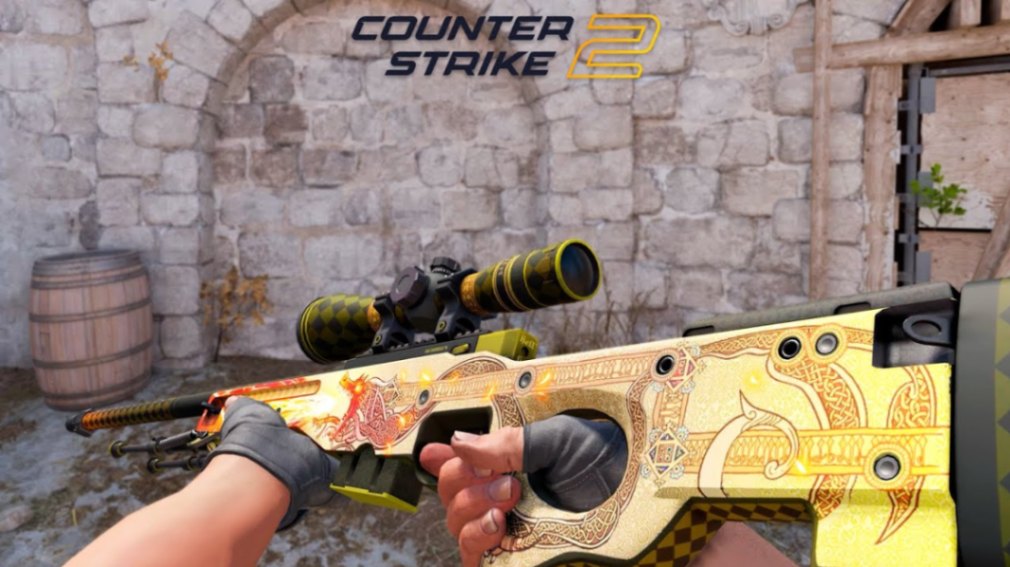
AWP | Dragon Lore
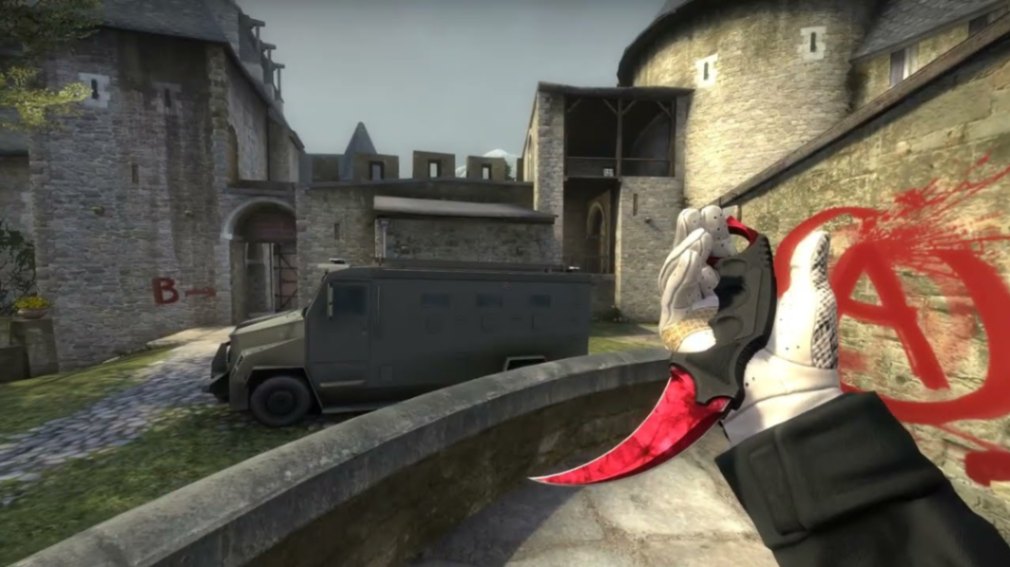
Karambit | Doppler (Ruby)
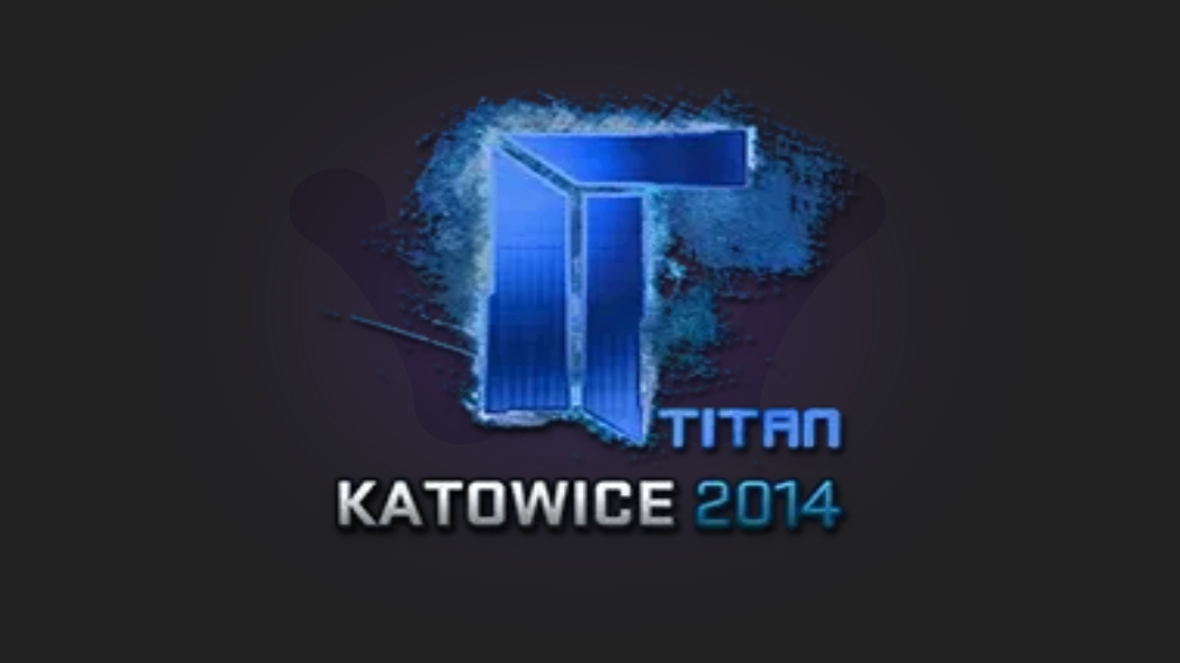
Titan (Holo) Katowice 2014 sticker
Collectors already care about:
Float value
Pattern seed
StatTrak versions
Sticker placement
Tournament history
NFT supporters argue that blockchain simply adds another layer of ownership verification to assets players already treat as collectibles.
Pro Tip: Scarcity alone does not create value. Demand, community interest, and market liquidity remain the biggest drivers behind collectible skin prices.
Potential Benefits of CS2 Case NFTs
True Digital Ownership
Today, every CS2 skin ultimately exists within the Steam ecosystem.
A blockchain model could allow players to prove ownership independently from any centralized inventory.
Whether that level of independence is desirable is another question, but it represents a major philosophical shift.
Better Provenance
Collectors already value skins with interesting histories.
Imagine tracking every previous owner of a specific Factory New AWP | Dragon Lore or a legendary tournament-used souvenir package through a permanent blockchain record.
That kind of transparency could simplify authentication.
Cross-Market Trading
Instead of relying exclusively on centralized marketplaces, blockchain assets could theoretically move across compatible exchanges.
This could create:
additional liquidity
more payment options
lower marketplace dependence
However, security standards would become even more important.
Smart Contracts
NFT technology allows programmable ownership.
Possible features include:
creator royalties
automated escrow
verified authenticity
instant settlement
These features already exist in many blockchain ecosystems.
Better Protection Against Counterfeits
The CS2 community has dealt with scams for years.
While blockchain cannot eliminate phishing or account theft, immutable ownership records could reduce certain forms of marketplace fraud involving fake ownership claims.
The Biggest Challenges
Valve Controls the Ecosystem
The largest obstacle is simple.
Valve owns Steam.
Valve manages inventories.
Valve controls item generation.
Valve also prohibited blockchain and NFT-based games on Steam in 2021, making widespread CS2 NFT integration highly unlikely under current policies.
Without Valve's participation, true NFT integration cannot realistically happen.
Regulation
Digital assets face different legal treatment depending on the country.
Questions include:
taxation
consumer protection
securities regulation
anti-money laundering compliance
Large publishers generally move cautiously when legal frameworks remain uncertain.
Community Reception
The gaming community remains divided on NFTs.
Some players support decentralized ownership.
Others associate NFTs with speculation, scams, or unnecessary complexity.
Any implementation would require clear player benefits—not just blockchain for its own sake.
Technical Complexity
Counter-Strike already processes millions of inventory operations.
Adding blockchain infrastructure introduces challenges such as:
wallet integration
transaction speed
recovery systems
customer support
blockchain security
None of these are impossible, but all require substantial engineering work.
Note: Faster, lower-cost blockchain networks exist today, but technical capability alone does not guarantee adoption by game developers.
Could Valve Actually Add NFTs to CS2?
At the time of writing, there is no official indication that Valve plans to introduce NFTs into Counter-Strike.
If such a system ever appeared, it would likely arrive gradually rather than replacing today's inventory overnight.
Possible approaches might include:
| Approach | Potential Advantage | Main Challenge |
|---|---|---|
| Optional NFT collectibles | Minimal disruption | Limited adoption |
| Tournament-exclusive digital collectibles | Appeals to collectors | Regulatory complexity |
| Hybrid Steam + blockchain ownership | Familiar experience | Significant engineering effort |
| Third-party verification layer | Improved provenance | Requires Valve support |
Every option depends on Valve changing its current strategy.
How NFT Skins Would Compare to Today's Steam Economy
| Current Steam Items | Blockchain-Based Assets |
|---|---|
| Controlled by Valve | Ownership recorded on blockchain |
| Steam Market ecosystem | Potential multi-market trading |
| Steam account required | Wallet-based ownership possible |
| Existing anti-fraud systems | Blockchain verification plus wallet security |
| Mature infrastructure | Would require entirely new infrastructure |
Steam's existing marketplace already offers convenience, liquidity, and familiarity.
Blockchain would need to provide meaningful improvements—not just different technology.
Examples from Gaming and Digital Collectibles
Several games have experimented with blockchain ownership.
Axie Infinity demonstrated that NFT-based economies can attract millions of users, although its economy also showed how volatile digital asset markets can become.
Immutable focuses on blockchain infrastructure designed for gaming, aiming to reduce transaction costs and improve scalability.
Virtual world projects have also explored NFT ownership for cosmetic items, land, and collectibles, showing that blockchain gaming can work technically—even if mainstream adoption remains limited.
Counter-Strike, however, has unique challenges because of its long-established Steam economy and highly active skin marketplace.
Key Takeaways
CS2 Case NFTs could introduce verifiable ownership and programmable digital collectibles.
Valve currently shows no public plans to integrate blockchain into Counter-Strike.
Existing CS2 skins already function as valuable digital collectibles without NFTs.
Regulatory uncertainty and community skepticism remain major barriers.
Any future blockchain implementation would need to improve—not replace—the strengths of today's Steam marketplace.
Prices and liquidity change—check current offers at time of reading.
FAQ
What are CS2 Case NFTs?
They are a theoretical concept where Counter-Strike skins would exist as blockchain-based digital assets with verifiable ownership. Valve has not announced such a feature.
Does Valve support NFTs in CS2?
No. There is currently no official support or announced roadmap for NFT integration in Counter-Strike 2.
Would NFT skins replace Steam inventories?
Not necessarily. If blockchain integration ever happened, a hybrid system would be more realistic than replacing Steam inventories entirely.
Would NFTs make CS2 skins more valuable?
Not automatically. Skin value still depends on rarity, collector demand, condition, float value, pattern, and market activity.
Could NFTs reduce scams?
Blockchain can improve ownership verification, but it cannot prevent phishing, stolen credentials, or fraudulent transactions outside secure platforms.
Are blockchain skins likely to arrive soon?
Based on publicly available information, there is no evidence that Valve plans to introduce blockchain skins in the near future.
Author: Written by a senior CS2 editor specializing in Counter-Strike's skin economy, trading systems, and digital collectibles.
Updated: July 2026