Case Battle Tactics: Picking Seats and Reading Opponents
Case battles blend randomness with psychology.
The actual contents of cases remain chance-based, but player behavior frequently follows recognizable patterns. Similar to poker or trading, observing opponents and managing emotions can prevent costly mistakes.
Competitive players often focus on three areas:
Timing entries into battles;
Selecting comfortable positions;
Adjusting strategies based on opponent behavior.
The goal is not to predict outcomes but to reduce avoidable errors.
Understanding Seat Selection
Many platforms allow players to join available seats. Some users strongly prefer specific positions.
Seat choice does not affect drop odds, but it may influence how players process information and react during battles.
Early Seats
Advantages:
| Pros | Cons |
|---|---|
| Immediate participation | Less information available |
| Comfortable for aggressive players | Can encourage impulsive decisions |
Players who enjoy taking initiative often prefer these positions.
Middle Seats
Advantages:
| Pros | Cons |
| Balanced viewing angle | Can feel chaotic in larger lobbies |
| Easier adaptation | Requires concentration |
Middle positions generally appeal to flexible players who do not rely heavily on routines.
Late Seats
Advantages:
| Pros | Cons |
| More time to observe | May lead to overthinking |
| Better for patient players | Less control over lobby pace |
Some experienced users intentionally select later seats because they prefer gathering information before reacting.
Pro Tip
If you notice yourself playing emotionally after several losses, avoid changing seats repeatedly in search of a "lucky position." Tracking results over dozens of sessions provides much better insights.
How to Read Opponents in Case Battles
Psychology plays a larger role than many players expect.
Even in games with randomized rewards, emotions influence decision-making.
Identifying Risk Profiles
Players generally fall into several categories.
Conservative Players
Characteristics:
Prefer lower-cost battles;
Rarely chase losses;
Usually leave after unfavorable sessions.
These opponents tend to be predictable.
Aggressive Players
Characteristics:
Frequently enter expensive battles;
Increase stakes after losses;
Often react emotionally.
While aggressive players occasionally recover quickly, tilt can affect their judgment.
Recognizing Emotional Decisions
Certain behaviors may indicate frustration.
Examples include:
Joining multiple battles within minutes;
Sudden increases in wager size;
Excessive chat activity;
Attempts to immediately recover previous losses.
Observing these habits may help players stay disciplined when others become impatient.
Building a Smart Battle Strategy
Before the Match
Take a few moments to assess the lobby.
Questions worth asking:
Are most participants playing conservatively?
Has someone recently lost several battles?
Is the lobby dominated by high rollers?
Understanding the environment helps determine whether participation fits your own budget and goals.
During the Battle
Focus on your own plan.
Many players make mistakes by copying opponents without considering bankroll management.
Useful principles include:
Set a spending limit beforehand;
Avoid chasing previous losses;
Maintain the same decision process regardless of short-term results.
Final Rounds
Late stages often create pressure.
Players may suddenly switch to riskier decisions in an attempt to recover.
Remaining consistent usually produces better long-term outcomes than emotional adjustments.
Note
Case battles should primarily be viewed as entertainment. Results vary significantly because rewards come from randomized openings.
Common Mistakes Players Make
Several habits repeatedly hurt players.
Believing in Lucky Seats
No publicly verified evidence shows that seat positions influence item drops.
Seats may impact comfort levels and observation opportunities, but not probabilities.
Copying Every Opponent
Mirroring others can remove personal discipline.
Good players develop strategies suited to their own tolerance for risk.
Ignoring Tilt
Tilt affects judgment in nearly every competitive environment.
Whether trading skins, opening cases, or playing Premier in CS2, emotional decisions often lead to poor outcomes.
CS2 Examples of Player Psychology
Psychological pressure is not limited to case battles.
Similar behaviors appear in skin trading and collecting.
Examples include:
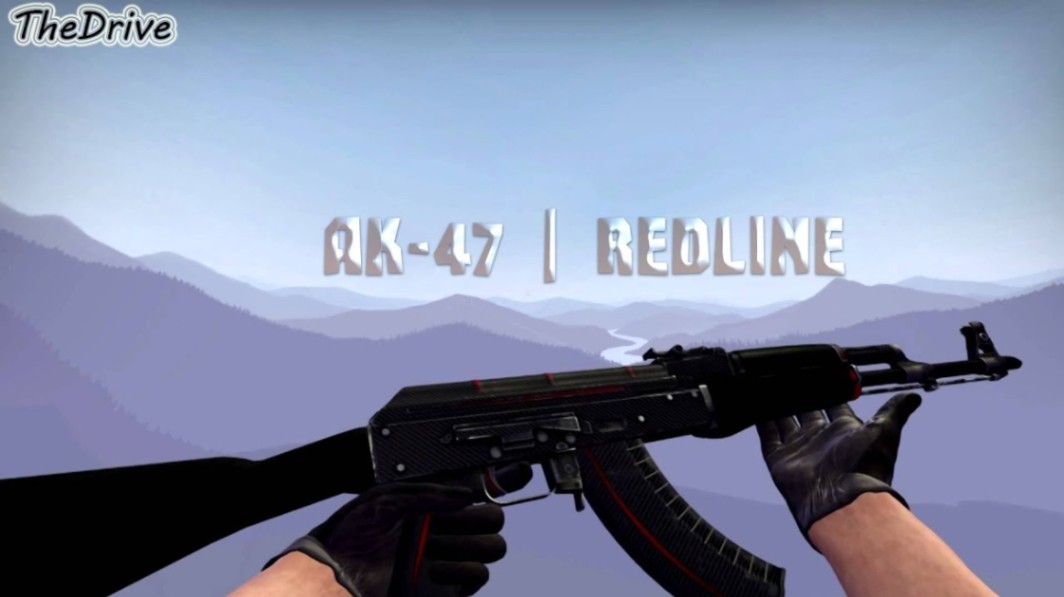
Buying an AK-47 | Redline immediately after seeing hype videos.
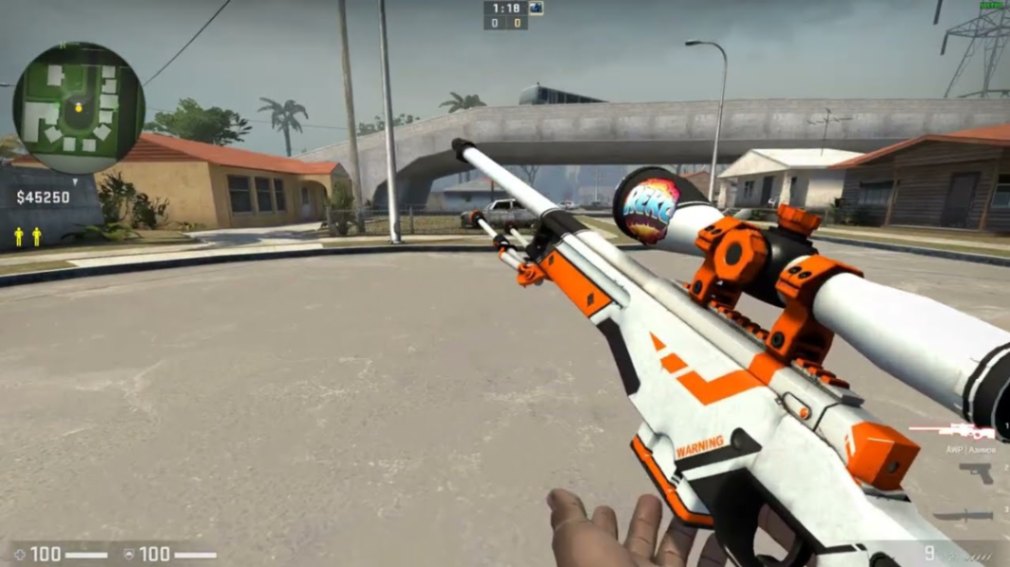
Overpaying for a StatTrak™ AWP | Asiimov because of fear of missing out.
Chasing specific Gamma Doppler Phase patterns despite limited market liquidity.
Panic-selling sticker investments such as Kato 2014 crafts during temporary market dips.
Prices and liquidity change—check current offers at time of reading.
Key Takeaways
Seat selection affects comfort, not drop odds.
Reading player behavior can improve decision-making.
Emotional control remains one of the biggest competitive advantages.
Avoid superstition and focus on repeatable habits.
Establish limits before joining battles.
Consistency generally outperforms impulsive strategies.
FAQ
Does seat position affect case battle outcomes?
No verified evidence suggests that seat positions influence case-opening probabilities.
How can I identify tilted opponents?
Rapid stake increases, emotional chat messages, and repeated attempts to recover losses can indicate frustration.
Should I copy successful players?
Observing good habits can help, but blindly mirroring others often creates unnecessary risk.
Are expensive battles more profitable?
Not necessarily. Larger battles simply expose players to higher volatility.
What is the most important case battle tactic?
Maintaining discipline and avoiding emotional decisions usually has the greatest impact on long-term results.
Can psychology really help in randomized games?
Yes. Psychology does not change randomness, but it helps players manage risk, recognize patterns, and avoid common mistakes.
Author & Update
Written by a CS2 skin market analyst and esports content editor specializing in case openings, trading behavior, and inventory management. Updated: June 2026