
Bankroll Management for Case-Opening Addicts in CS2
Case opening combines randomness, anticipation, and instant rewards. Those elements can make it difficult to stop after a losing streak.
The goal of bankroll management is simple: decide how much money you are comfortable losing before you open a single case.
Think about case openings the same way you think about buying a new game, attending an event, or purchasing a skin for your favorite loadout. It should fit inside your entertainment budget.
A player spending $40 monthly on cases is in a different position from someone spending $400. The right bankroll depends entirely on disposable income, not inventory goals.
Pro Tip: Use a dedicated payment method or wallet balance exclusively for CS2-related spending. Seeing a separate balance makes it easier to stay disciplined.
Set a Monthly Budget Before Opening Cases
A monthly budget is your first line of defense against impulsive spending.
Step 1: Calculate Disposable Income
Start with money left after covering essentials such as:
Rent or mortgage
Utilities
Food
Savings contributions
Emergency expenses
Only discretionary income should be considered.
Step 2: Decide on a Percentage
Many players find that allocating between 3% and 5% of discretionary income keeps the hobby manageable.
This amount should remain fixed regardless of wins or losses.
Step 3: Split the Budget
Breaking the budget into weekly sessions prevents one-night spending sprees.
Example:
| Monthly Budget | Weekly Allocation |
|---|---|
| $40 | $10 |
| $80 | $20 |
| $120 | $30 |
Small sessions often feel more rewarding because they extend anticipation over time.
The Best Rules for Managing Your Case-Opening Funds
Several practical rules work well for regular case openers.
The Loss Limit Rule
Choose an amount you are willing to lose during one session.
Examples include:
$10 per session
Three cases maximum
One upgrade attempt only
Once the limit is reached, stop immediately.
The Cooldown Rule
After an expensive opening session, wait at least 24 hours before depositing again.
Distance helps reduce emotional decisions.
The Profit Withdrawal Rule
If you sell skins for marketplace balance or cash, consider withdrawing part of the proceeds.
Some players use a simple formula:
50% withdrawn
50% kept for future openings
This keeps winnings from disappearing back into cases.
Note: Case openings should not be viewed as reliable investments or income sources.
How to Avoid Tilt and Chasing Losses
Tilt affects experienced players as much as newcomers.
Common warning signs include:
Increasing deposits after bad luck
Opening cases late at night without planning
Feeling frustrated after receiving low-tier items
Spending money intended for other hobbies
The phrase "just one more case" is usually a signal to stop.
Remember that rare pulls remain rare regardless of previous results.
Opening ten unsuccessful cases does not increase the probability of receiving a knife on the eleventh attempt.
Example Situations
A player opening the Fracture Case hoping for a knife should expect variance over long periods.
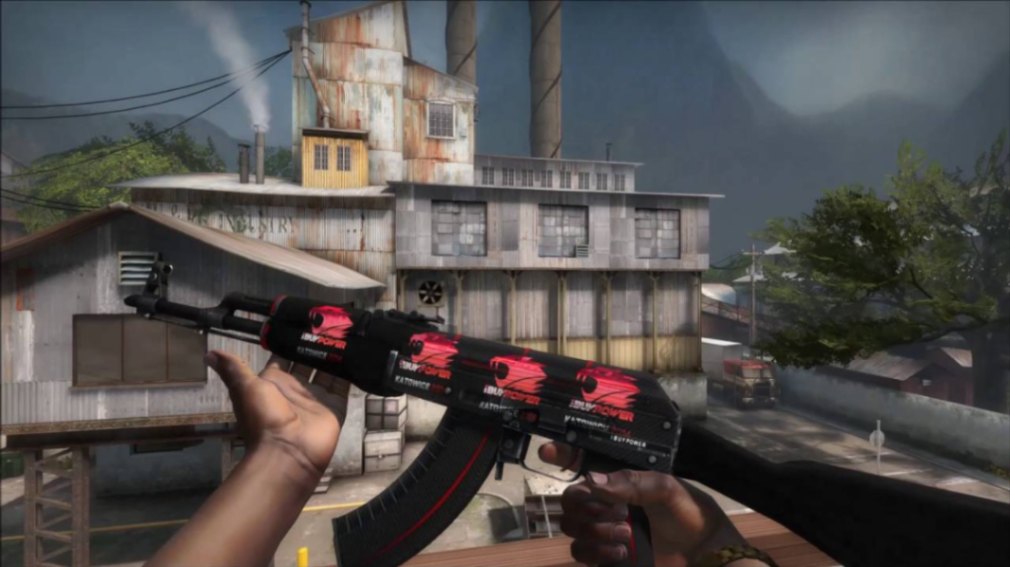
Someone chasing a better finish on an AK-47 | Redline through upgrades may encounter significant losses before obtaining a desired result.
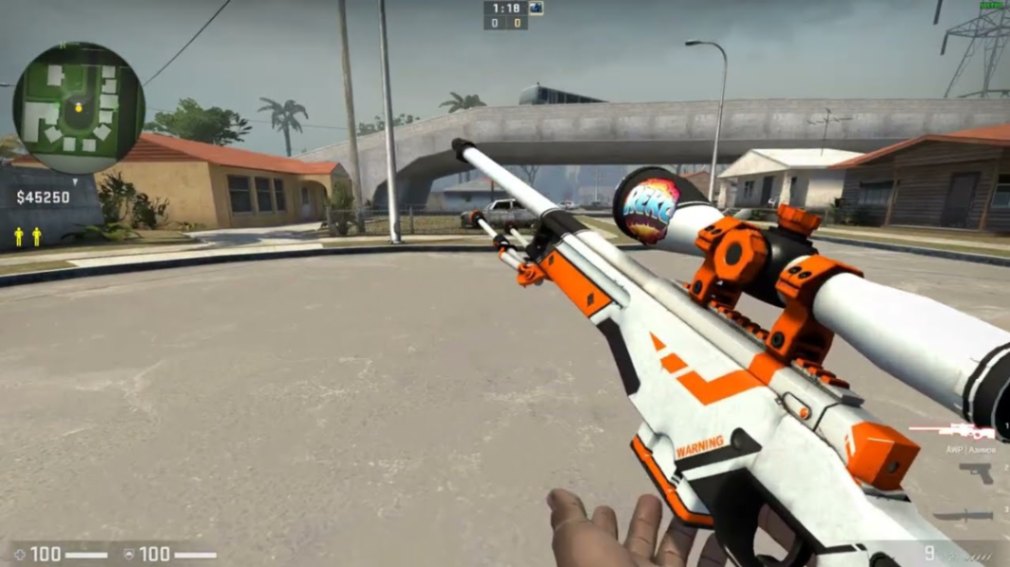
Likewise, trying to hit a high-tier finish such as an AWP | Asiimov can become expensive if decisions are driven by frustration instead of planning.
Smart Ways to Stretch Your Budget
If you enjoy openings but want more value, consider these approaches.
Focus on Entertainment Value
Treat each opening session like paying for a movie ticket.
The excitement itself becomes part of the purchase.
Mix Premium and Budget Cases
Instead of spending everything on expensive openings, create variety.
For example:
Two premium cases
Four low-cost cases
Save remaining funds for next week
This creates longer sessions without significantly increasing spending.
Track Results
Maintaining a simple spreadsheet can reveal useful habits.
Track:
Deposits
Cases opened
Estimated inventory value
Profit and loss trends
Players who monitor spending usually identify problems faster.
Pro Tip: Reviewing monthly results often discourages impulsive deposits more effectively than setting strict restrictions.
Common Mistakes Case Openers Make
The biggest bankroll mistakes usually come from emotions rather than poor mathematics.
Avoid these habits:
Depositing immediately after losses
Using credit cards for entertainment purchases
Comparing your results with lucky screenshots online
Trying to recover previous spending through additional openings
Ignoring personal financial limits
Prices and liquidity change—check current offers at time of reading.
Key Takeaways
Establish a monthly case-opening budget before playing.
Never chase losses with larger deposits.
Divide spending into smaller weekly sessions.
Consider withdrawing part of any profits.
Track deposits and inventory changes regularly.
View case openings primarily as entertainment.
FAQ
How much should I spend on CS2 case openings?
Only spend money that remains after covering essential expenses, savings, and emergency funds. Many players use a small percentage of discretionary income.
Is bankroll management useful for casual players?
Yes. Even occasional case openers benefit from clear spending limits because it reduces impulsive purchases.
Does opening more cases improve my chances of getting a knife?
Opening additional cases increases total attempts but does not change the odds of any individual opening.
Should I reinvest all profits from selling skins?
Many players prefer keeping a portion and withdrawing the rest to maintain better long-term discipline.
What is the biggest mistake case-opening addicts make?
Chasing losses is often the most damaging behavior because spending decisions become emotional instead of planned.
Author & Update
Written by a CS2 market analyst and skin economy editor covering trading trends, inventory management, and marketplace behavior. Updated: June 2026.